C J LANDSCAPES Get in touch

Estate management · Surrey

One Team for the Whole Property, and the Calendar Behind It.

Lawns, borders, trees, drives and drainage looked after by the same team, on a programme written for your property. Planned a year ahead rather than booked job by job.

Estate management

The Garden Is One Part of It, the Property Is the Job.

A large property does not usually fail in the garden. It fails at the gully that stopped draining two winters ago, the drive joints that let the weeds in, the hedge cut at the wrong time that has gone bare at the base. Estate management is the job of holding all of it on one plan, so nothing waits until it has become a repair.

We run it with our own team, led by Carl. The same people who design and build gardens are the ones looking after them afterwards, so whoever decides how hard to prune a border already knows why it was planted that way. None of it is sent out to subcontractors.

It is all written down before it starts. You get a programme for the year, visit by visit, and a short record of what was done each time. If something needs a specialist we say so plainly instead of having a go at it.

Start a conversation
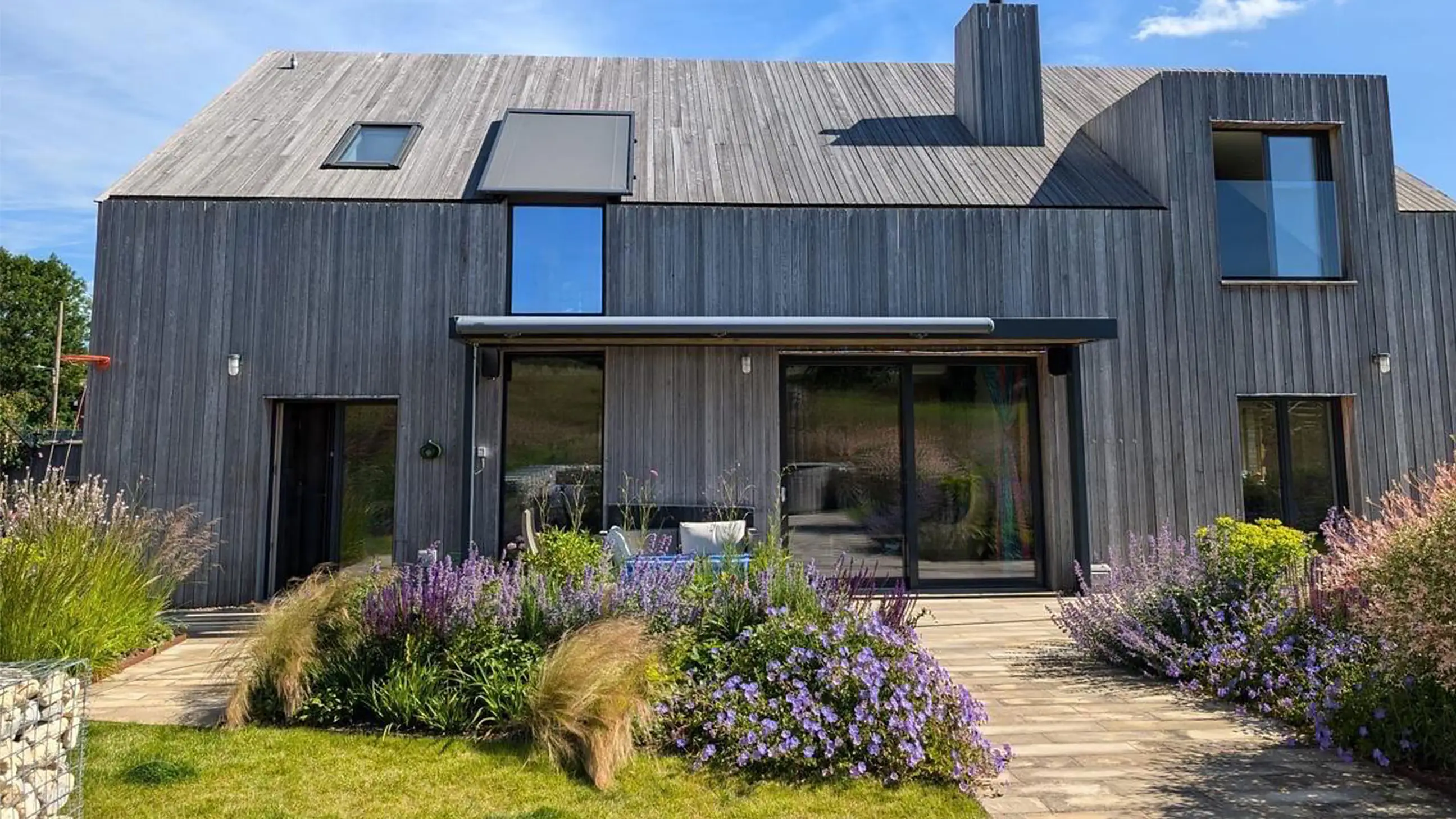
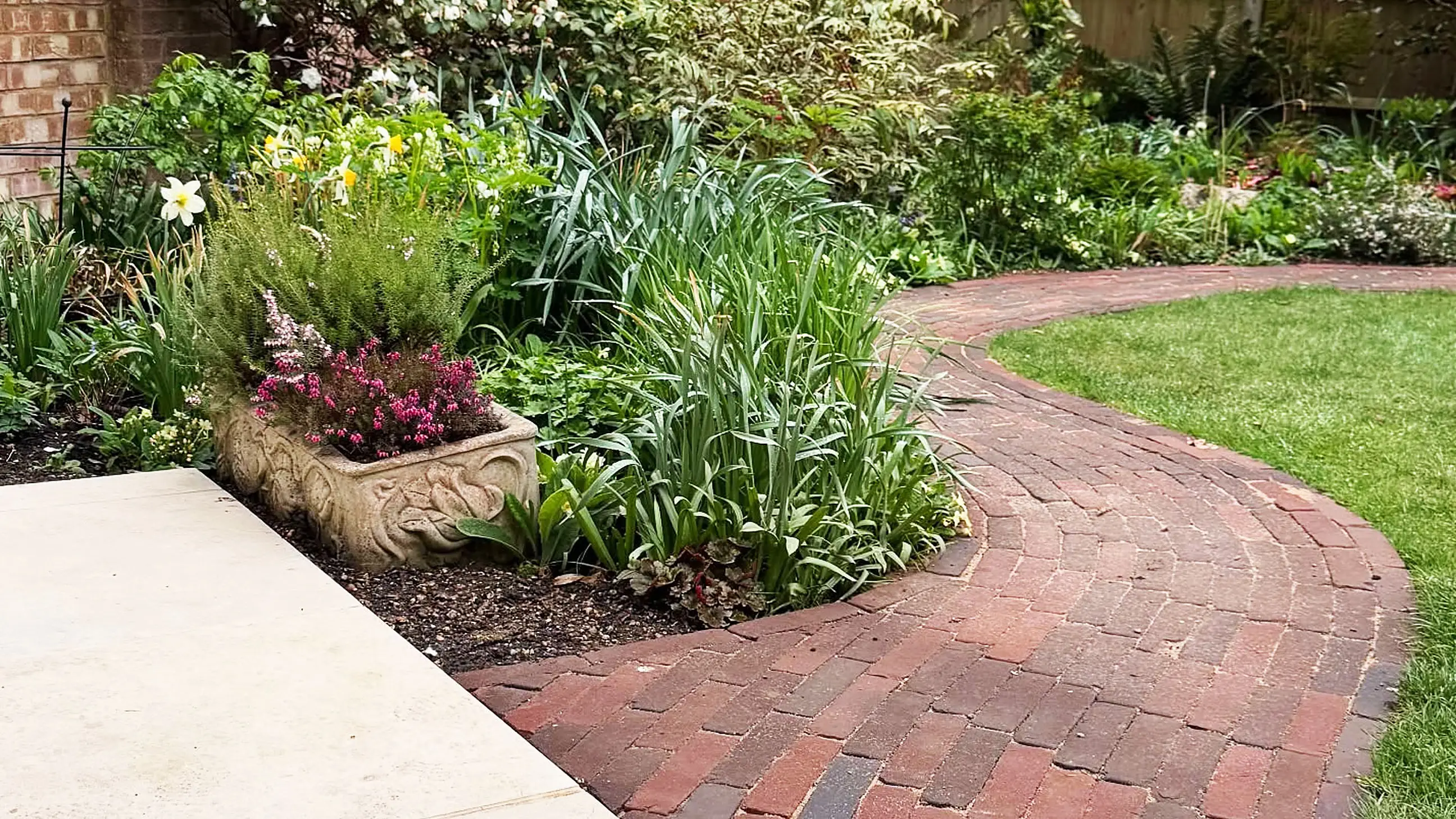
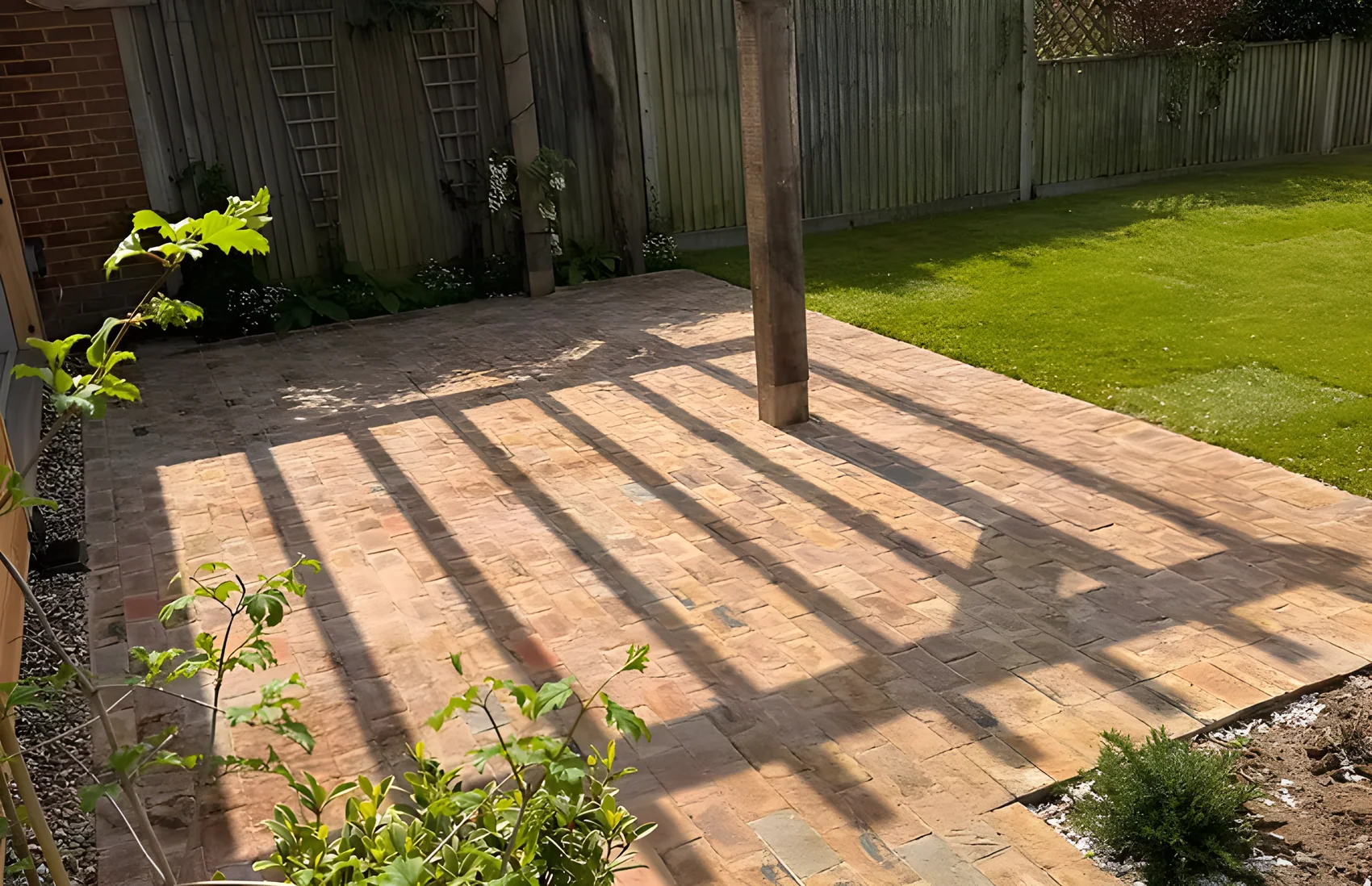
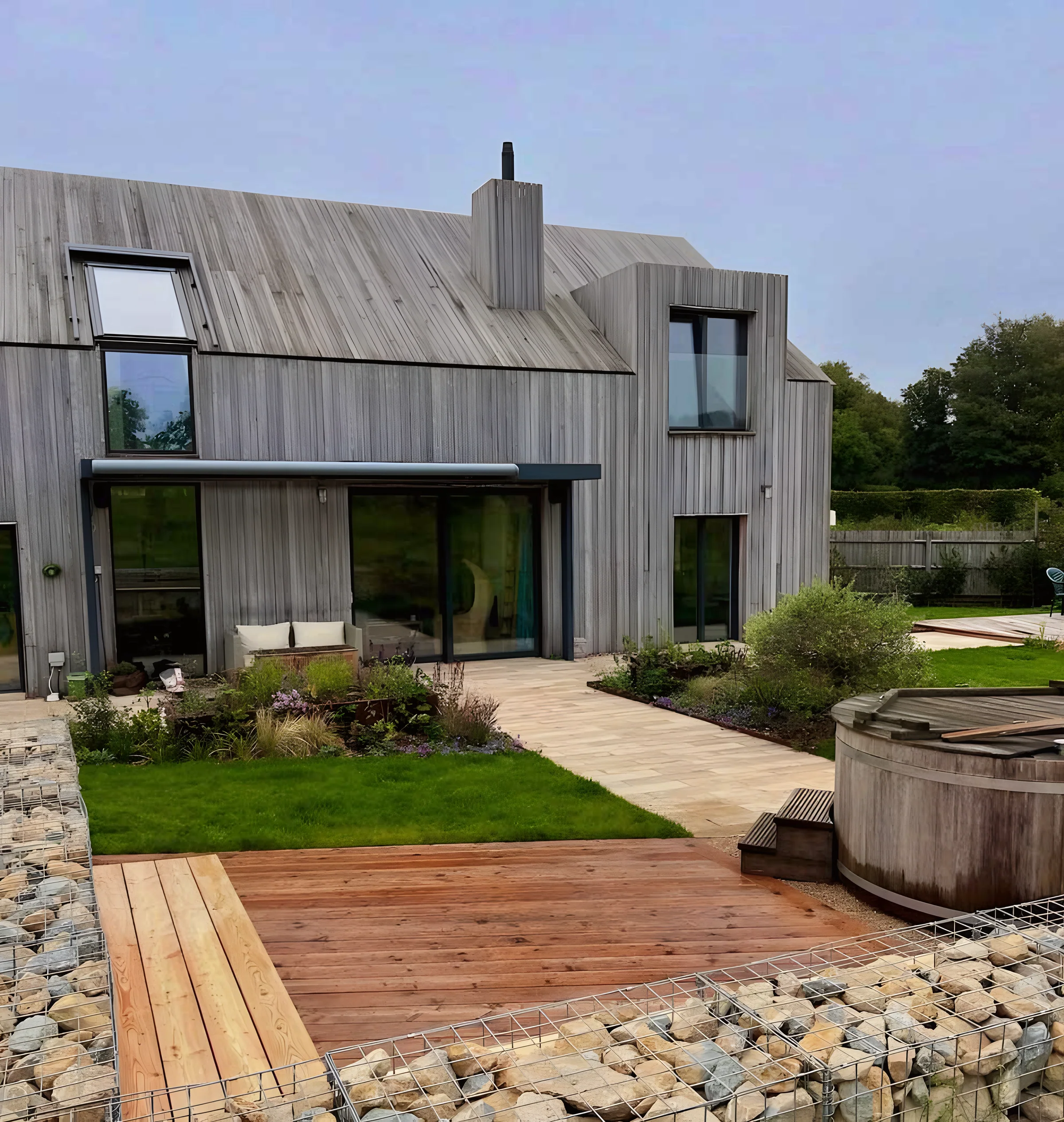
A timber clad house with a deck and cobbled edging
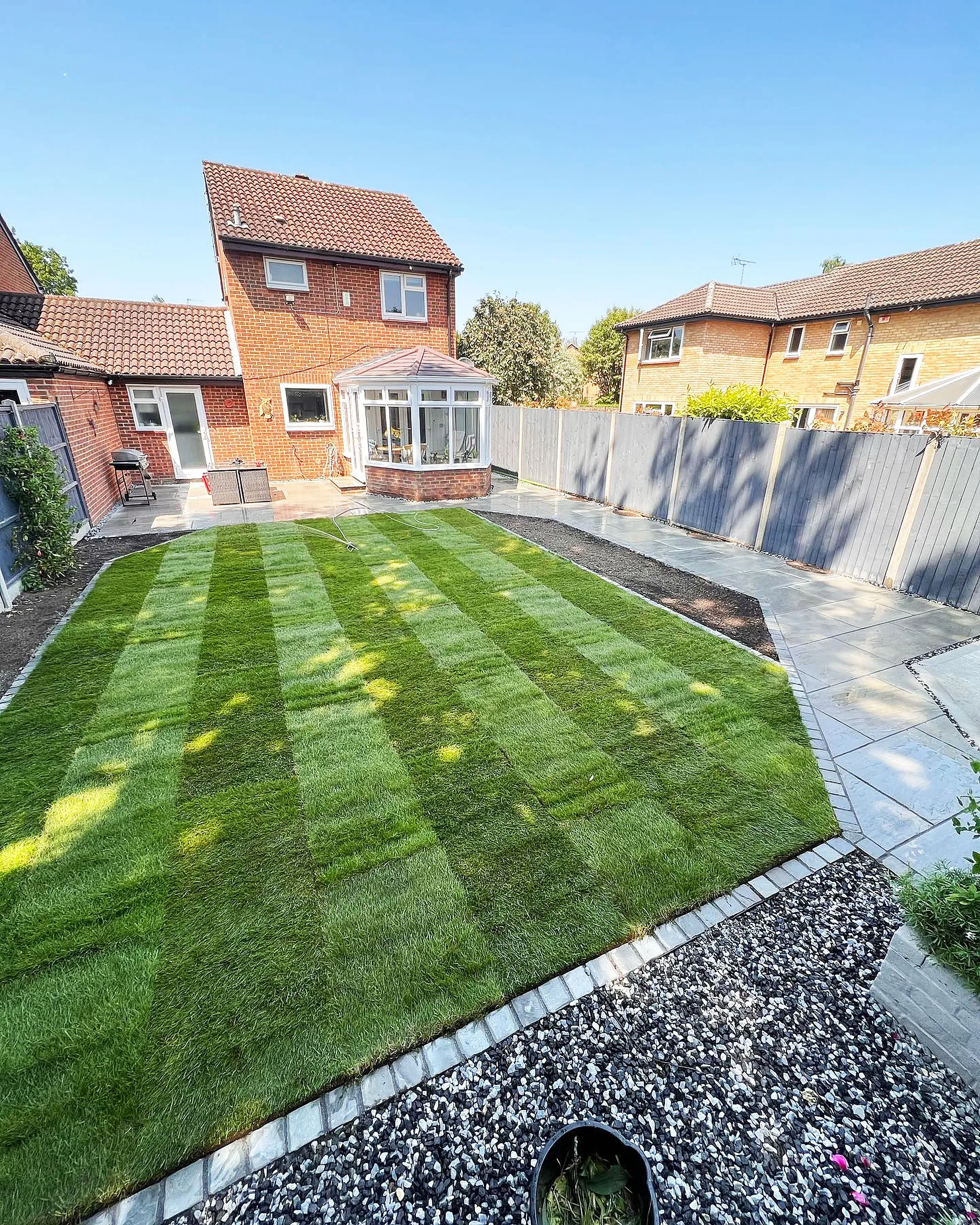
A freshly laid striped lawn behind a house
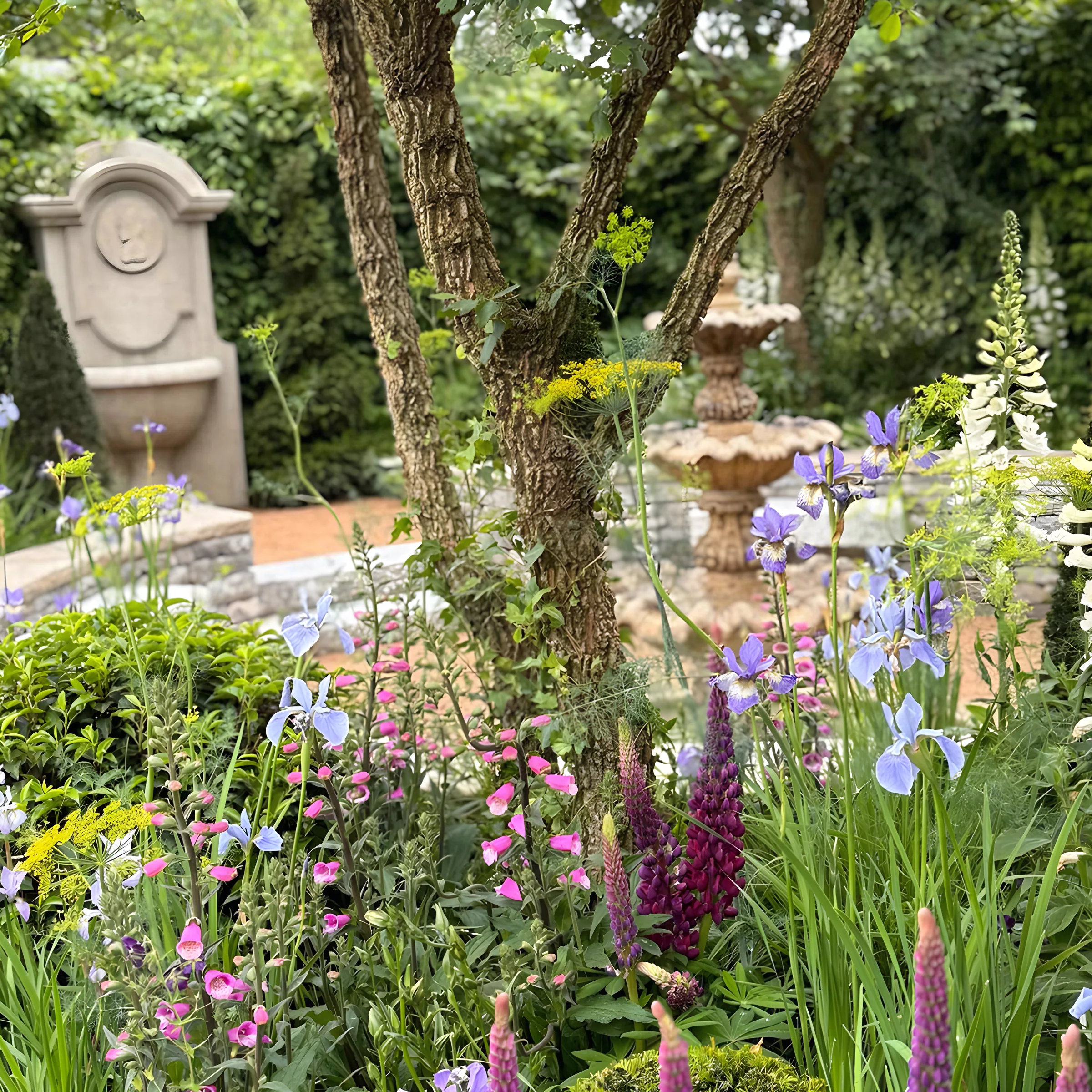
Cottage garden borders in full flower around a stone water feature
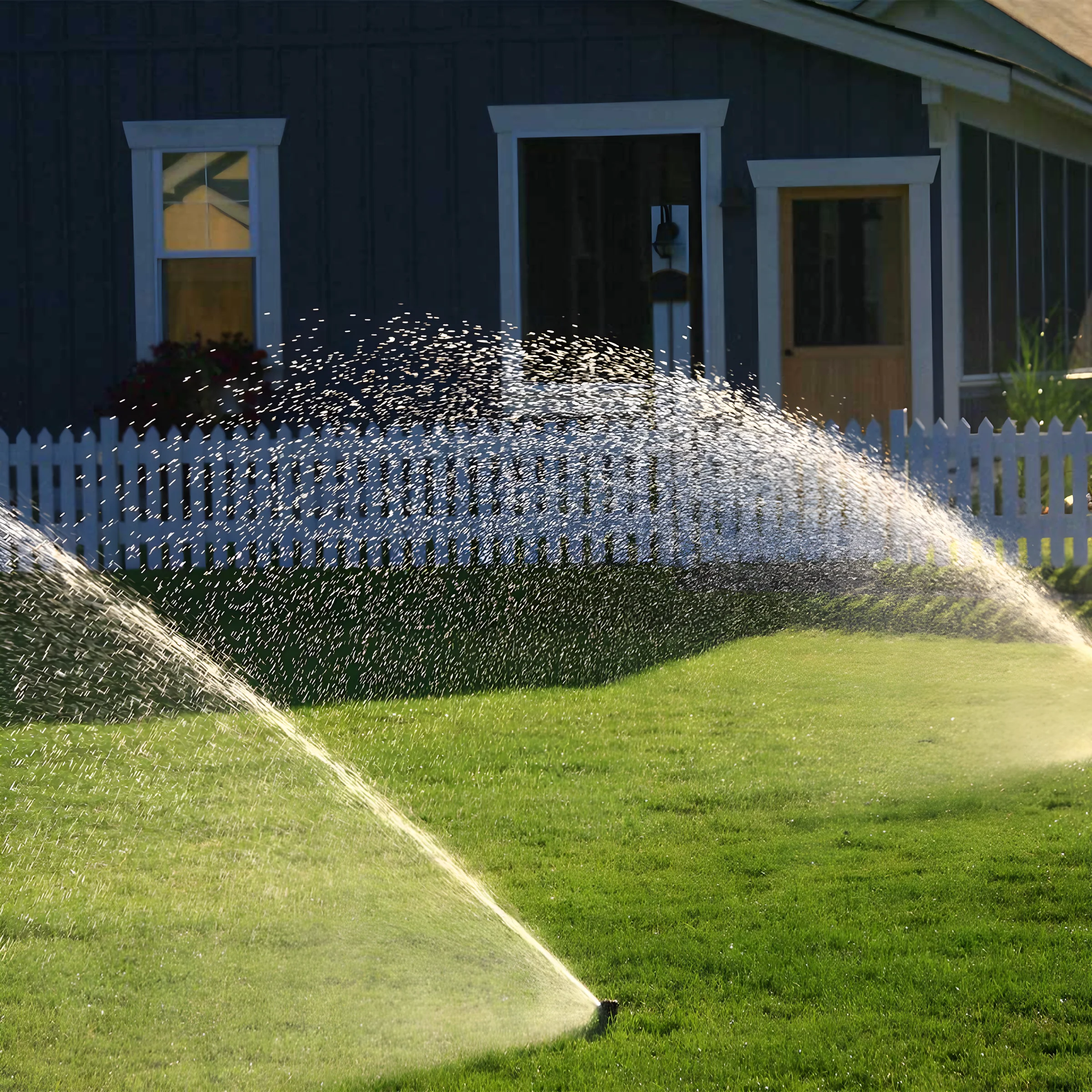
An irrigation sprinkler running across a lawn
A timber clad house with a deck and cobbled edging

What is covered

Everything the Rain Runs Across, Not Only the Planted Parts.

A property is more drainage than planting. Channel drains across the terrace, gullies at the foot of the downpipes, silt traps on the drive, inspection chambers nobody has opened since the house was built. We clear them before the leaves come down, not after water has been standing for a fortnight.

Block paved drives need their joints kept full. Once the kiln dried sand washes out the blocks begin to move, weeds get a seed bed and the edge restraint carries load it was never meant to take. Brushing fresh sand in is a half day job. Relaying a drive is not.

Gravel gets raked, levelled and topped up, and boundary hedges and verges are kept inside the line rather than creeping over it.

  • Gullies, channel drains and silt traps cleared before leaf fall
  • Drive joints kept full with kiln dried sand
  • Gravel raked, levelled and topped up
  • Inspection chambers opened and checked, not assumed
  • Edges cut back to the line they were laid to
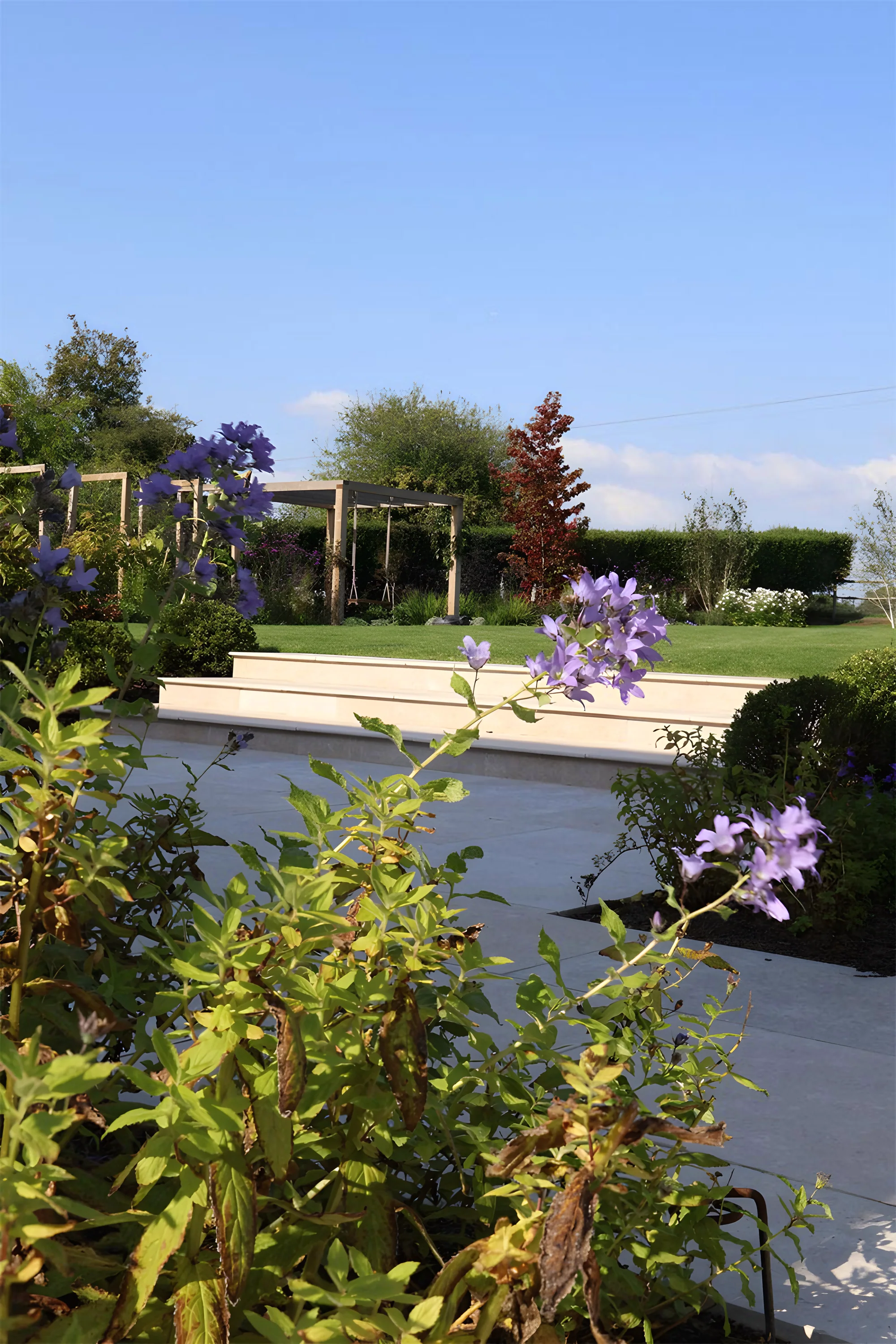
A freshly laid striped lawn behind a house

The programme

A Year Written Down, Month by Month.

Most of the difference between a property that looks after itself and one that limps along is timing. Wisteria wants two cuts, a long whip back in summer and a spur prune in winter. Yew takes its clip once the new growth has hardened. Box is left alone until the frosts have finished. Cut any of them in the wrong month and you look at the mistake for a year.

Hedges are checked for nesting birds before any cut between spring and late summer. If there is a nest in a run we leave that run and come back to it.

Lawns keep their own calendar. Scarify and aerate in autumn, overseed into warm soil, top dress to take the hollows out. A nitrogen feed in spring for growth, a potash feed in autumn for root and frost hardiness. Through a dry spell the cut goes up, not down, because grass shaved short in August is what gives you bare ground in September.

  • Wisteria cut twice, summer and winter
  • Yew clipped once the growth has hardened, box after the frosts
  • Hedges checked for nesting birds before a spring or summer cut
  • Autumn scarify, aerate, overseed and top dress
  • Cutting height raised through a dry spell
Cottage garden borders in full flower around a stone water feature

Trees and structure

The Plants That Take Years to Replace, Watched Rather Than Tidied.

The specimen trees, the pleached hornbeam screen, the hedges that hold the shape of the garden. These are the slowest things on a property to put right, so they are looked at properly on every visit rather than worked around.

Mulch goes on in late winter while the ground is still wet, kept clear of the collar so the bark can breathe. Young trees have their ties checked, because a tie left on too long cuts a ring into the trunk and leaves a weak point there for the rest of the tree's life. Stakes come out once the roots have taken hold, not whenever somebody notices them.

We note deadwood, lifting roots, honey fungus and anything else that needs more than a pair of secateurs, and put it in writing. Large tree work belongs to an arboriculturist rather than to us. Trees in a conservation area generally need notice given to the council before anything is cut, so it is worth checking that first.

  • Mulch in late winter, kept off the collar
  • Tree ties and stakes checked and released in time
  • Deadwood and root problems reported in writing
  • Conservation area and protected trees checked before work is planned
An irrigation sprinkler running across a lawn

Ground and water

Fix the Ground First, and the Lawn Follows.

On a big plot the lawn that always goes yellow and the corner that stays wet are usually the same problem, which is compaction. Years of mowers, machinery during the build and foot traffic press the top of the clay into a pan that water will not cross. Feeding it does nothing, and spiking the top few centimetres does very little.

Deep soil aeration deals with it properly. Compressed air at seven bar, injected to around a metre down, opens fissures through the pan, and around one kilogram of enriched biochar per square metre is driven in to hold them open. No trenches, no lifting the lawn, and one treatment rather than a yearly repeat.

Irrigation sits in the same picture. Zones are checked through the season so a sprinkler is not watering the drive, and the system is drained and blown through before the first hard frost. A cracked manifold found in April has usually been leaking since November.

  • Compaction tested for, not guessed at
  • Deep soil aeration to around a metre, one treatment
  • Around one kilogram of enriched biochar per square metre
  • Irrigation zones checked, then drained before the frosts
We have had a fantastic experience with CJ Landscapes. From start to finish their approach has been professional and collaborative.

Ellie Wilson · Google review

How it works

From the First Walk Round, to a Property on a Plan.

  1. 01

    We Walk the Whole Property

    We walk the whole property with you, and not only the garden. Drives, boundaries, the drainage runs, the lawns and the parts of the garden you have stopped looking at. All of it gets photographed and written down.

  2. 02

    You See the Year Before It Starts

    You get the year set out visit by visit, what happens, roughly when, and why then. Heavier jobs such as a hedge reduction or soil work are put where they belong in the calendar rather than squeezed into a normal visit.

  3. 03

    The Same Team, on Known Days

    Our own team, on set days, with the machinery the property actually needs. You get one person to ring and a short written record after each visit of what was done and anything we noticed.

  4. 04

    A Review Before the Next Year

    Each autumn we walk the property again and change the programme to suit how the garden has really grown. That is when the winter work is planned too, while the ground will still take a machine.

Our work

Gardens Built and Looked After by the Same Team

Good to know

Questions We Are Asked Most

What Is the Difference Between Estate Management and Grounds Maintenance?

Grounds maintenance is the grounds themselves, so lawns, borders, hedges and beds kept to a planned calendar by a dedicated team. Estate management takes in the whole property and the year around it, so drives, drainage, boundaries, trees and the heavier seasonal work all sit on the same programme. If the grounds are the job, grounds maintenance fits. If the property is the job, this one does.

How Often Would You Be Here?

It depends on the size of the property and how much of it is planted. Some need a team on site weekly through the growing season and monthly in winter. Others run on a fortnightly visit with two or three heavier weeks in spring and autumn. We work it out on the walk round and put it in writing first.

Will It Be the Same People Each Time?

Yes. Our own team, led by Carl, with nothing sent out to subcontractors. It matters more than it sounds, because somebody who has been on the property for two seasons knows which border floods, which gully silts up first and which tree is being watched.

Do You Cover the Drive, the Drainage and the Land Outside the Garden?

Yes, that is the point of it. Drives, paths, gravel, gullies, channel drains, silt traps, verges and boundary planting all go on the programme. What we will not do is pretend to be specialists we are not, so large tree work and anything structural is flagged for the right trade.

What Does an Estate Programme Cost?

Our maintenance plans start from £160 per month on a twelve month agreement, with a minimum four hour visit each month so the work is managed properly rather than rushed. An estate programme is priced from the property itself after the walk round, because an acre of mown grass and an acre of mixed borders are not the same job.

Can You Take on a Garden Somebody Else Built?

Yes, and it is often how a programme starts. Some of these gardens were drawn by the owner's own designer and built by somebody else entirely. The first season usually goes on finding out what the ground is doing, correcting pruning done at the wrong time of year and finishing drainage that was left half done. After that it settles into the normal programme.

Start your garden

Talk to Us About the Whole Property

Tell us what you have and what is going wrong with it, and we will walk the property with you. You get a written programme for the year before you commit to a thing.

  1. 01
    We Call You BackWithin one working day, to talk the garden through.
  2. 02
    The First VisitA walk round the garden to take in the levels, the access and where the water sits.
  3. 03
    A Written ScopeA specification and a programme, with samples to see in your own light.
Prefer to talk?01276 582095info@cjlandscapesltd.co.uk
1 Webbs Mews, High Street
Hartley Wintney, Hook RG27 8NZ
What Would You Like Help With?

Choose as many as you like.

Tell Us About the Project

Roughly is fine. It helps us bring the right people to the first visit.

Your Details
Photographs Optional, up to five

Thank You

Your enquiry has come through and we will call you back within one working day.

Step 1 of 3

We only use your details to reply to this enquiry.