
Biodiversity & Sustainable Landscaping

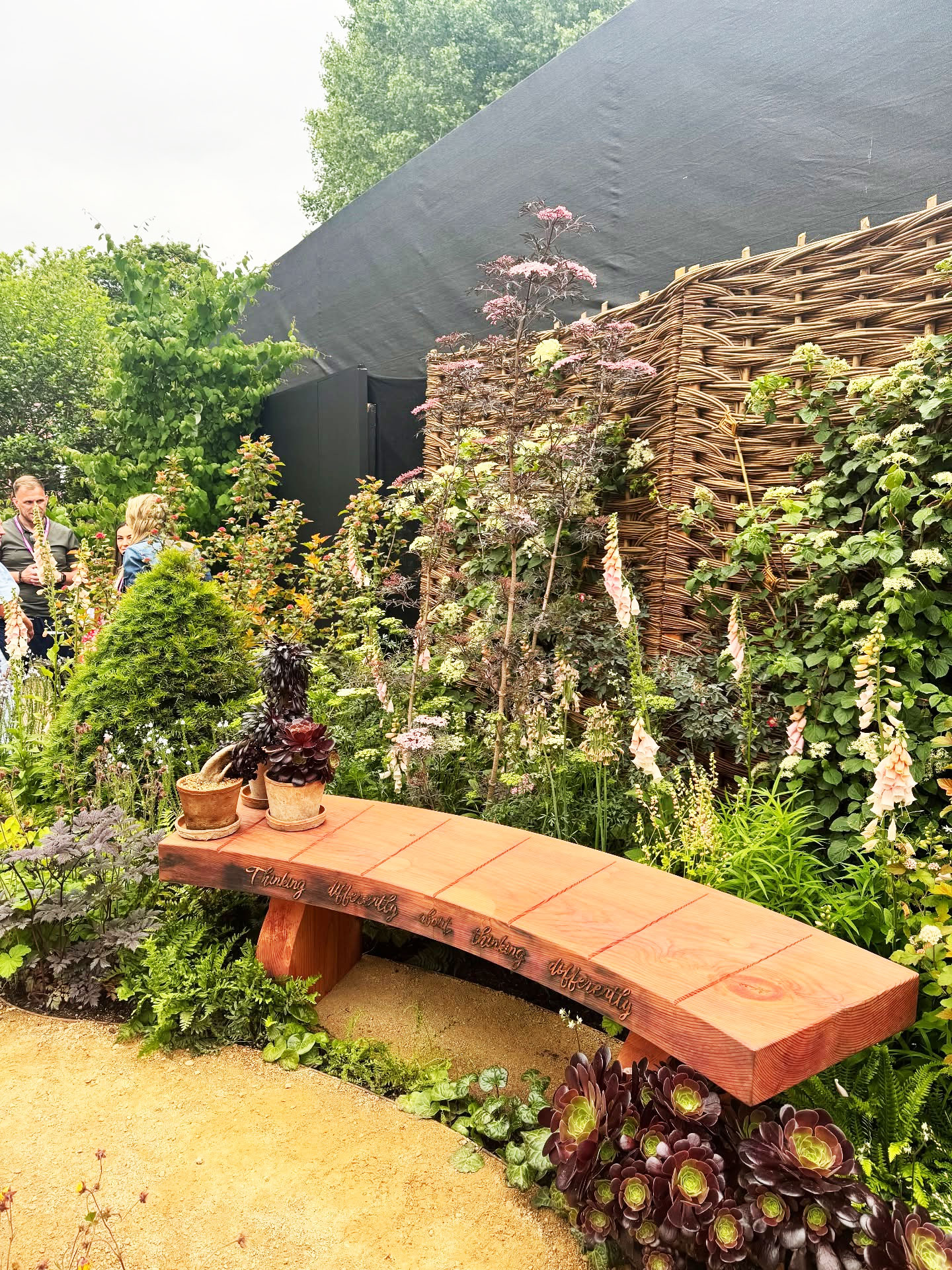
Biodiversity & Sustainable Garden Practices
Biodiversity is an important consideration in how we approach landscaping. At CJ Landscapes, we aim to work in a way that respects natural ecosystems and supports long-term environmental health. Across our landscape design, garden planting, and construction work, we continually review our methods to find more efficient ways of working with nature in mind. This includes considering how our choices impact local wildlife, soil quality, and overall garden sustainability.
Considering Biodiversity in Landscape Design
Landscape design provides an opportunity to create outdoor spaces that function well while supporting natural processes. By understanding how different plants, soils, and drainage systems interact, we can design gardens that develop naturally over time. This approach helps reduce unnecessary intervention and supports balanced outdoor environments. Thoughtful design allows gardens to remain practical without compromising biodiversity.
Improving Our Construction Methods
During landscape construction, we look closely at how materials are used and how processes can be improved. We continually review our construction methods to reduce waste and consider our carbon footprint wherever possible. This includes selecting materials carefully, planning efficiently, and reducing unnecessary transport and disruption. Our aim is to build gardens in a more responsible and considered way.
Planting With Purpose
Garden planting is approached with long-term development in mind. We select plants that suit the environment and support pollinators and local wildlife. Planting schemes are planned to mature naturally, reducing the need for replacement and excessive maintenance. This helps gardens evolve while remaining structured and manageable.
Water Use & Natural Balance
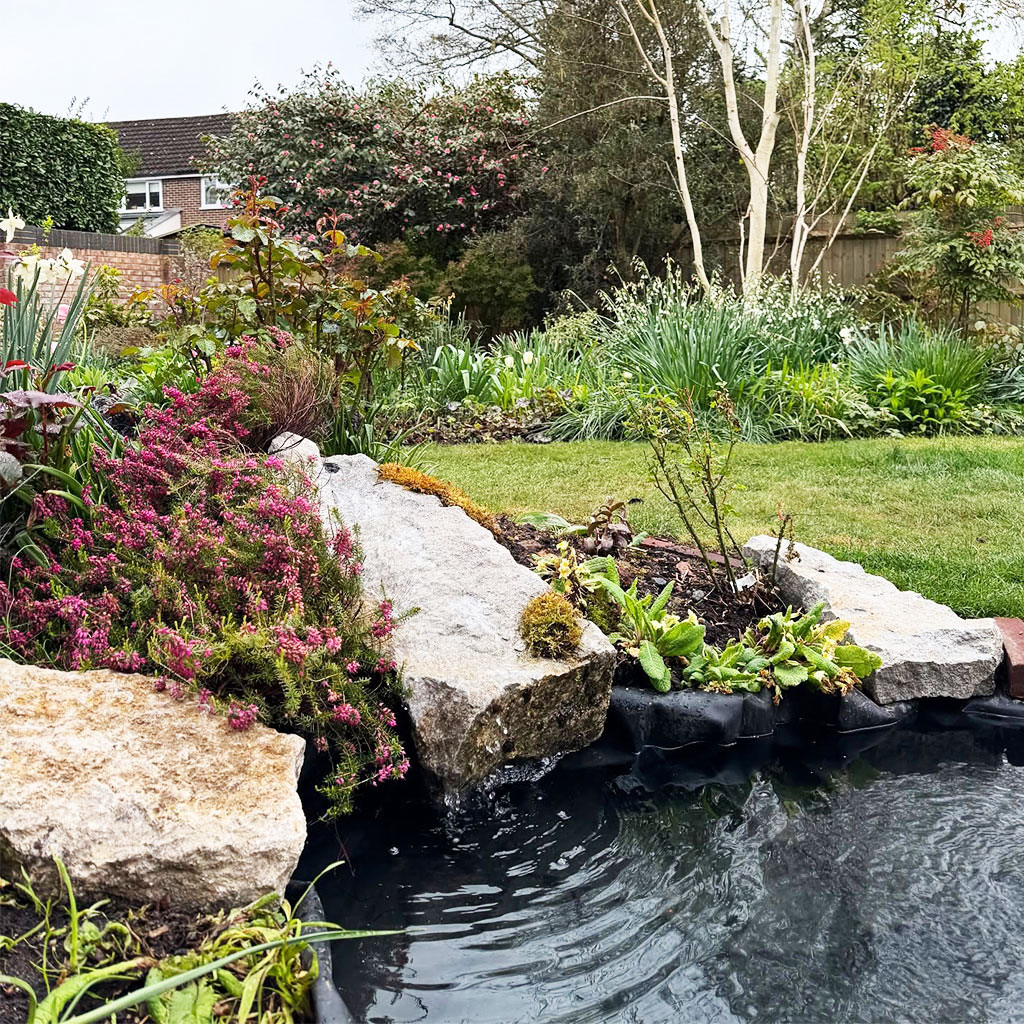
Water Use & Natural Balance
Water management is considered carefully within biodiverse landscapes. Irrigation systems and garden water features are designed to support planting without unnecessary waste. Rainwater management and controlled watering help maintain soil health and plant growth. This balanced approach supports both the garden and surrounding habitats.
Thoughtful Outdoor Lighting
Outdoor lighting is planned to minimise disruption to wildlife. Low-impact lighting is used to reduce glare and unnecessary light spill. This helps maintain natural rhythms while still allowing gardens to be used safely after dark. Lighting is positioned carefully around planting areas and water features.
Long-Term Garden Care
Ongoing garden maintenance is carried out with biodiversity in mind. Rather than over-managing, we focus on seasonal care and natural development. This allows plants and soil to establish properly over time. Regular monitoring helps identify issues early while supporting natural growth cycles.
Learning, Improving & Sharing
We are always looking for ways to improve how we work, whether through new techniques, materials, or approaches to sustainability. This page will feature blog posts where we share updates, ideas, and practical insights into biodiversity, garden construction, and reducing environmental impact. These articles will highlight what we are learning and how we continue to refine our processes.
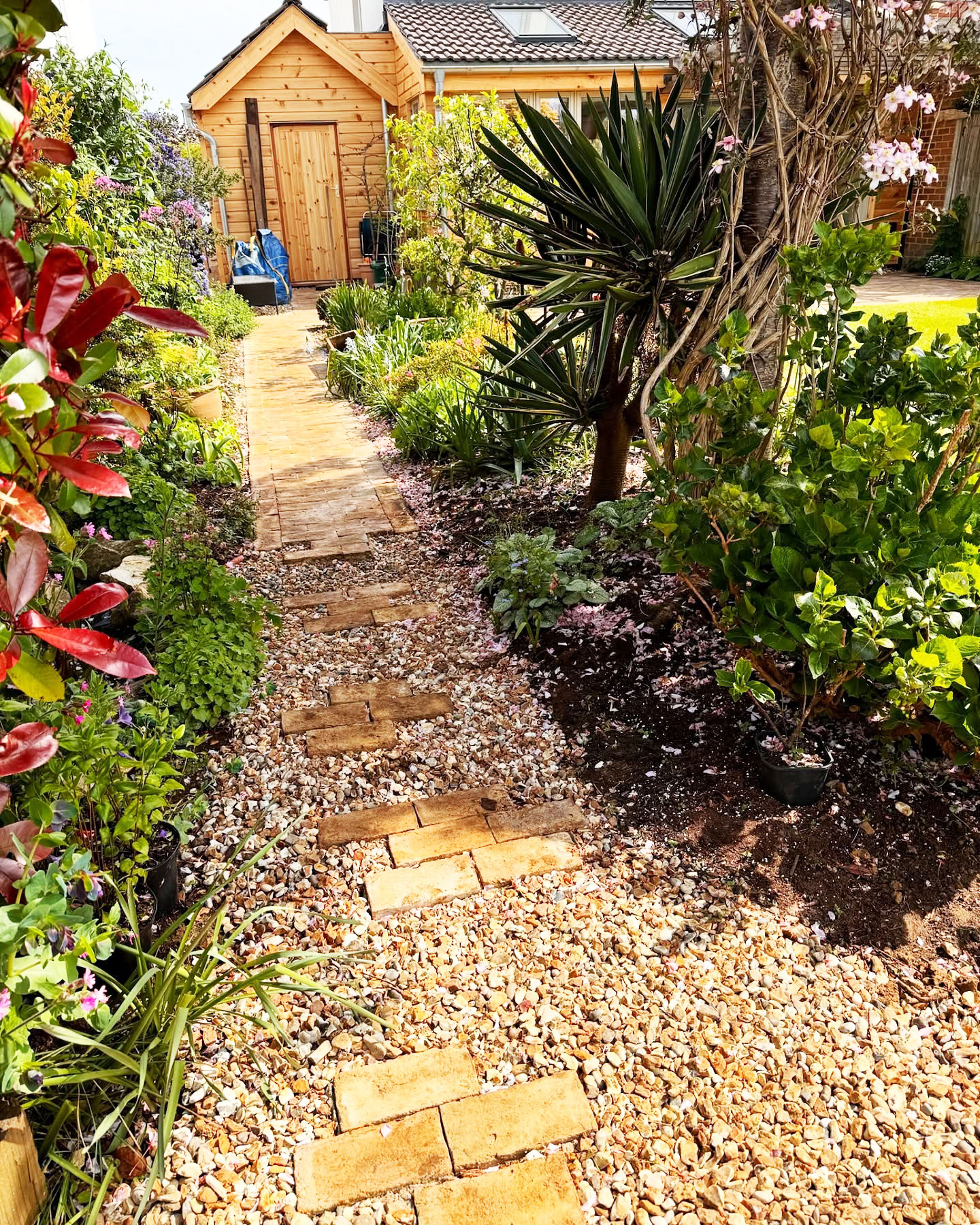
Learning, Improving & Sharing
Our Approach to Biodiversity
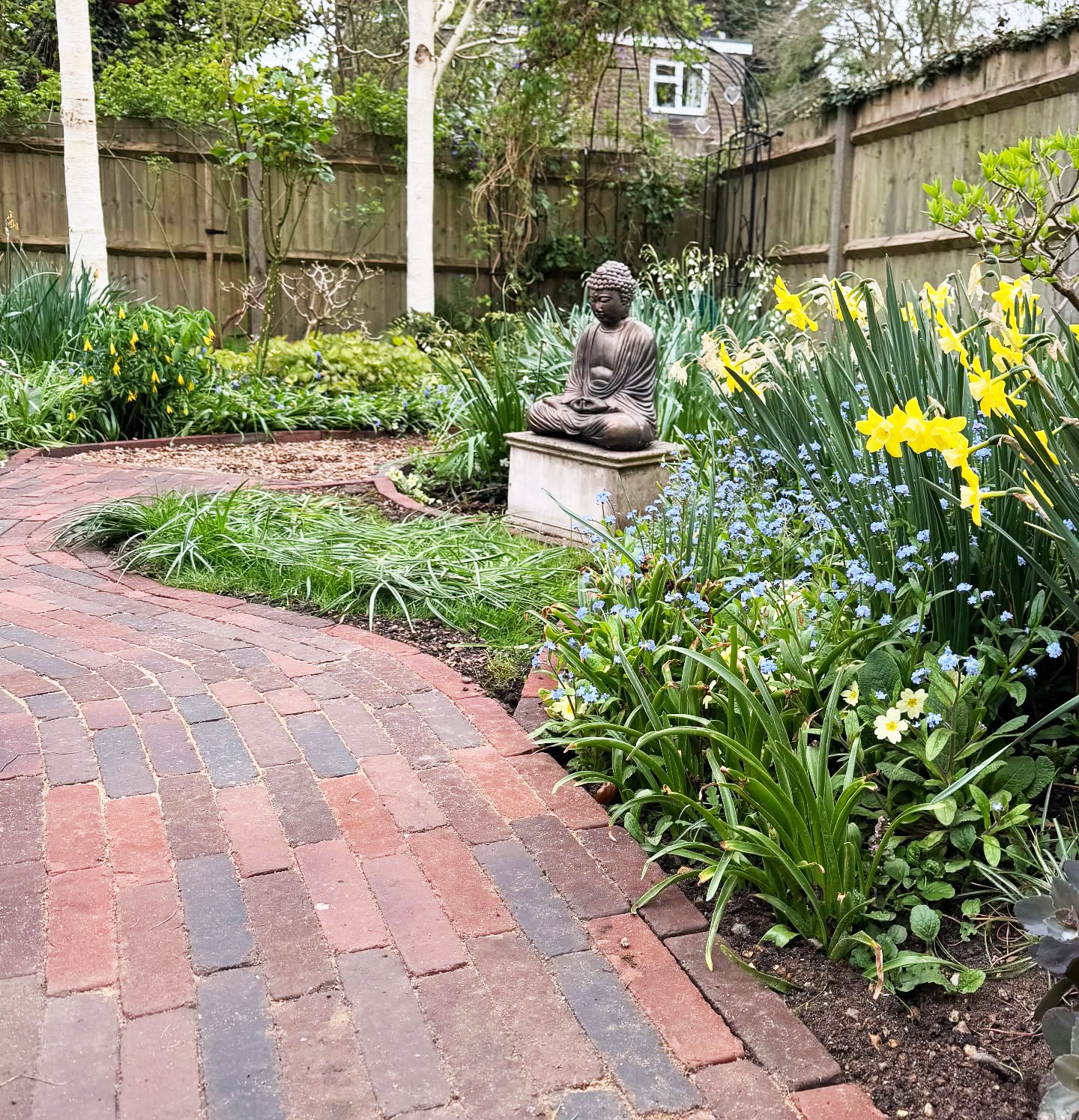
Our Approach to Biodiversity
Our work includes landscape construction, garden planting, irrigation, outdoor lighting, and long-term garden maintenance, all delivered with biodiversity and sustainability in mind.
Our approach includes:
- Biodiversity-aware landscape design
- Responsible construction methods
- Wildlife-friendly planting
- Efficient water management
- Low-impact outdoor lighting
- Ongoing garden care and monitoring