C J LANDSCAPES 01276 582095Get in touch

Grounds maintenance · Surrey and Berkshire

Grounds Kept Properly, on a Calendar That Fits the Year.

Estate level care for larger houses and grounds. A dedicated team, a written calendar for the year, and the same faces on site every visit.

Grounds maintenance

A Planned Year on the Ground, Not a Mow and a Quick Tidy.

Grounds maintenance is the work that keeps a large garden looking the way it did on the day it was finished. Lawns, borders, hedges, paths, drives and the drainage under all of it, on a calendar that runs through the year rather than a visit booked when things have got out of hand.

We built this service for the kind of property we were already building gardens for. A garden of that size does not need somebody for an hour on a Friday. It needs a team that arrives knowing what is due that month and leaves the place looking finished.

The same in house team designs, builds and then looks after the garden. If we built yours, we already know what is under the lawn and where the irrigation runs. If somebody else built it, we find that out properly first.

Start a conversation
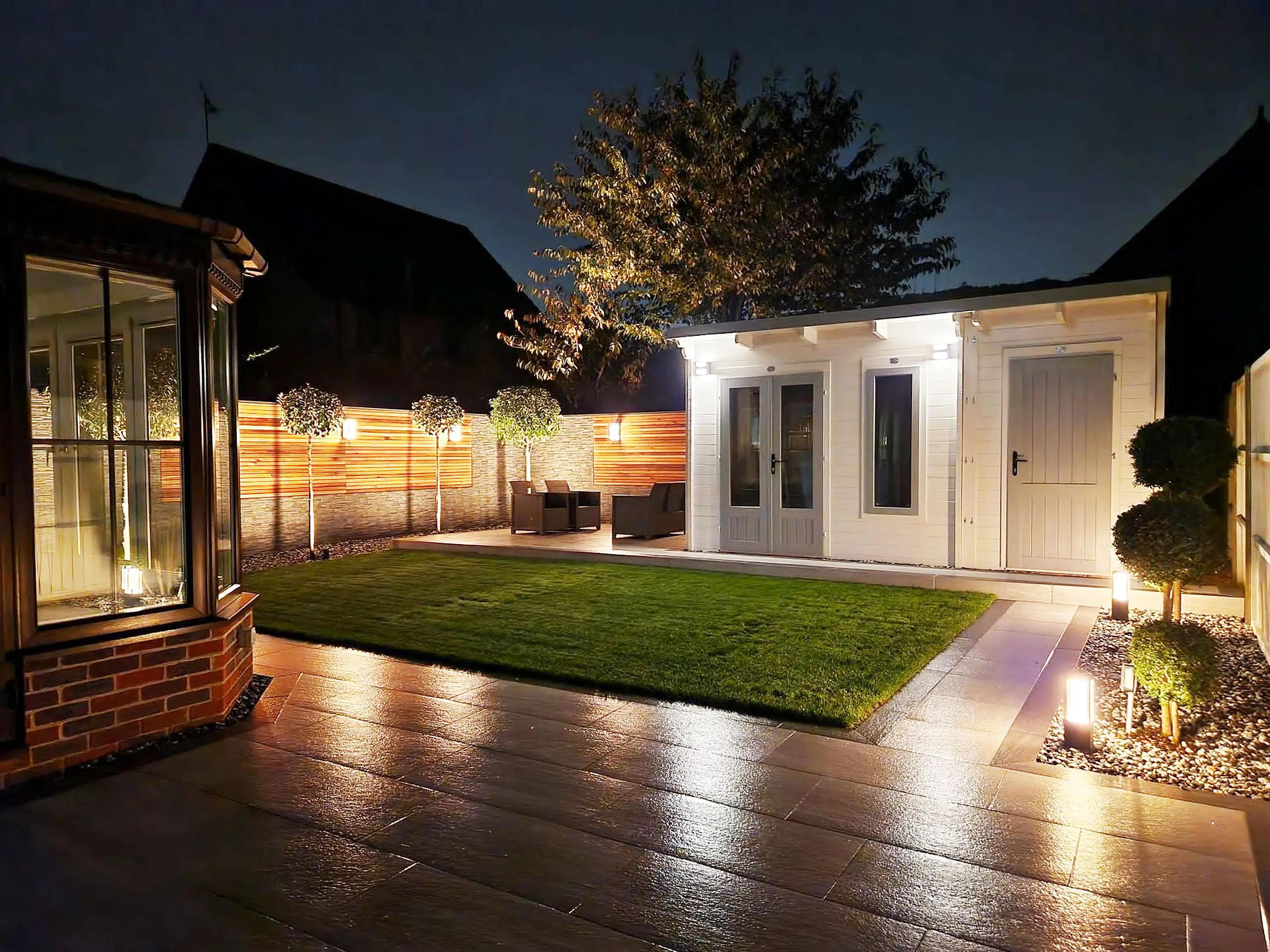
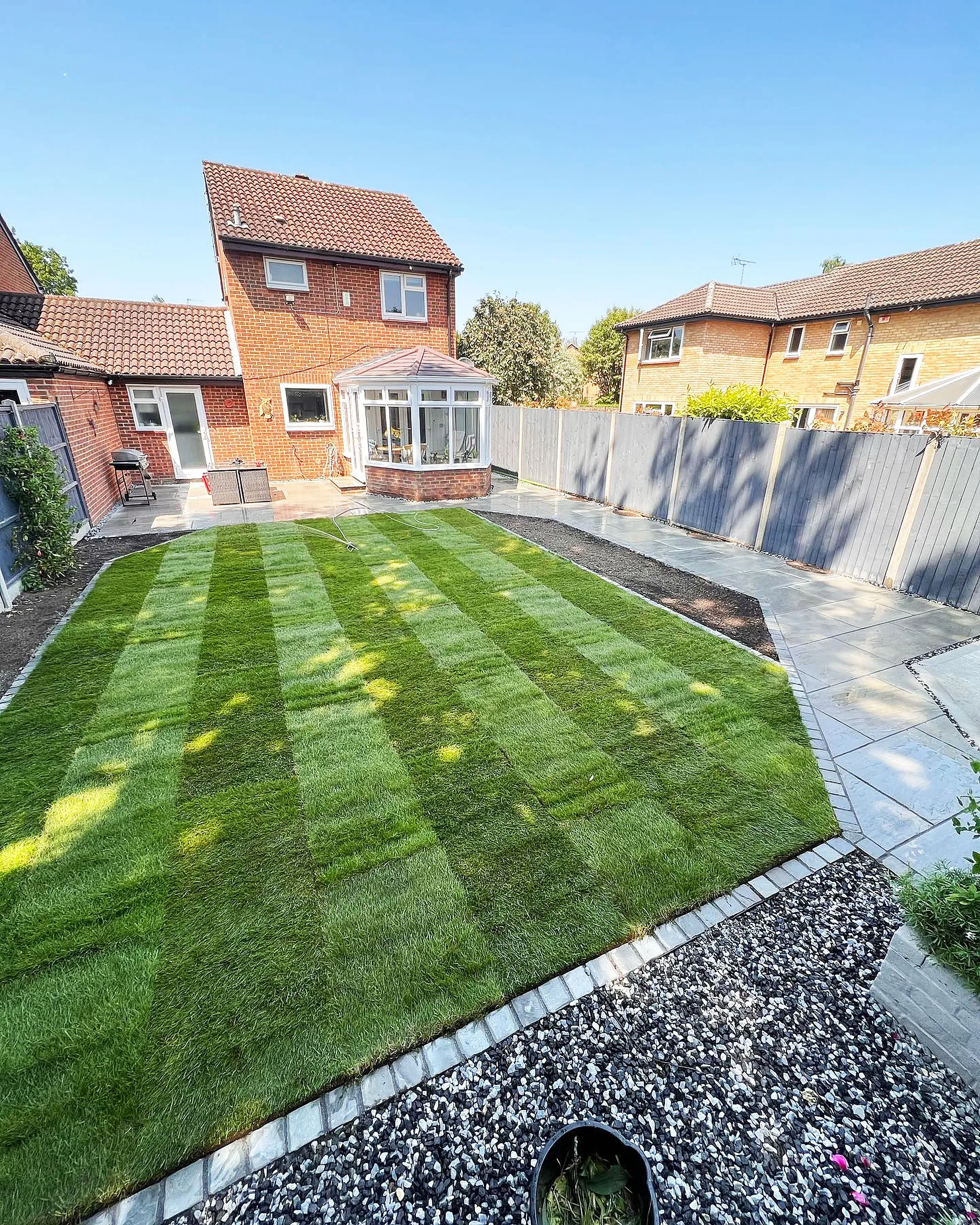
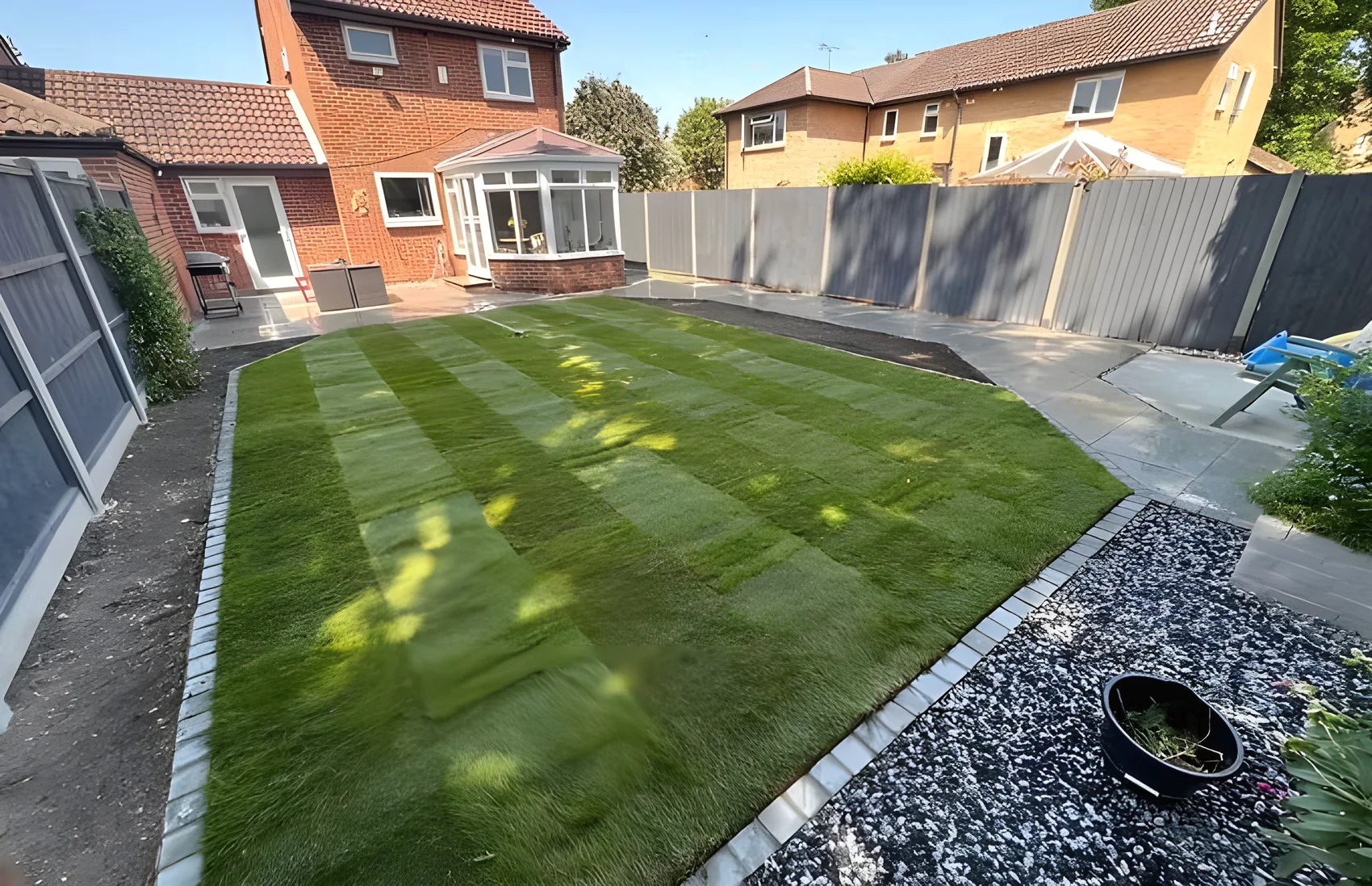
A striped lawn running up to the back of a house
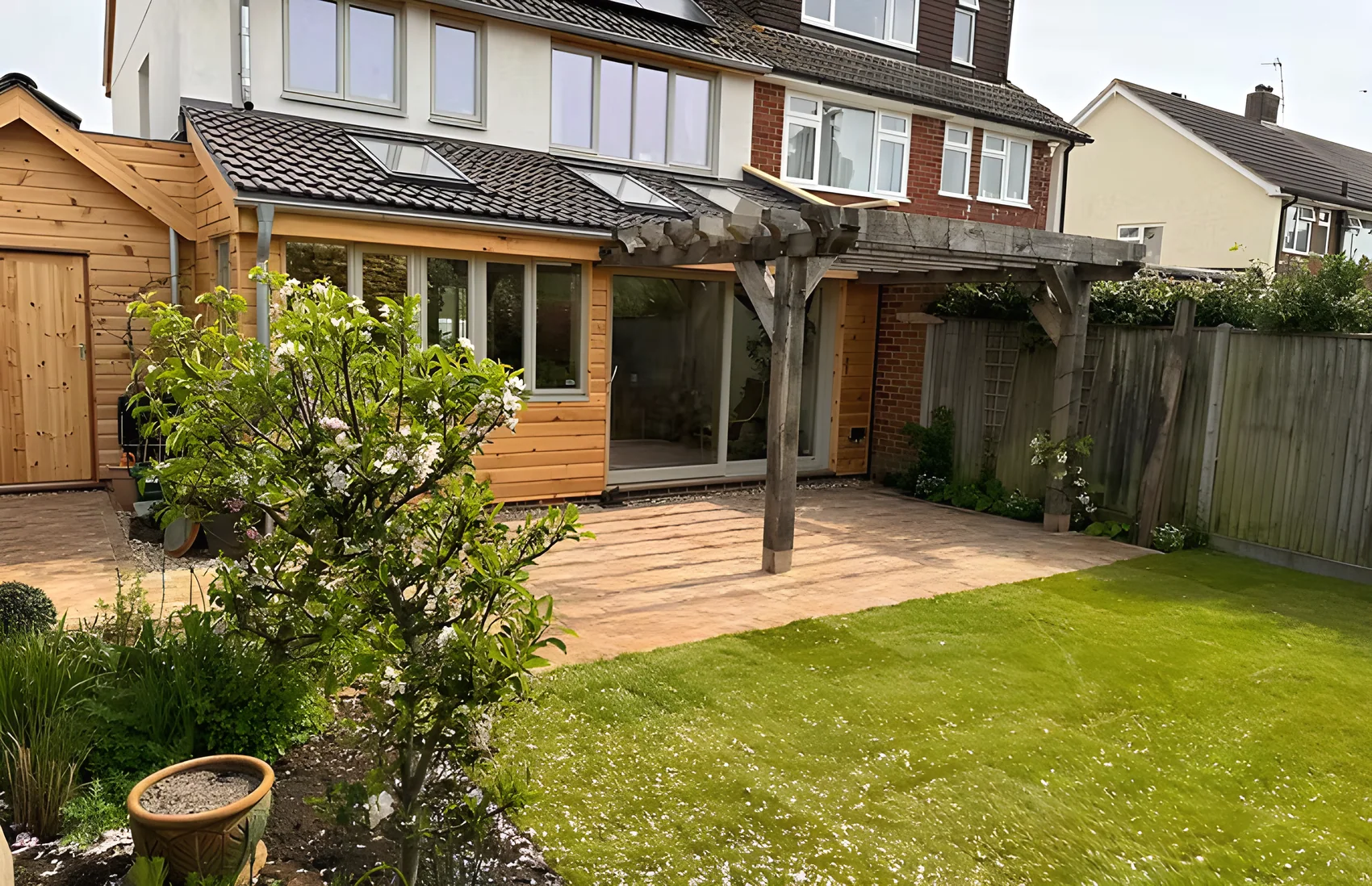
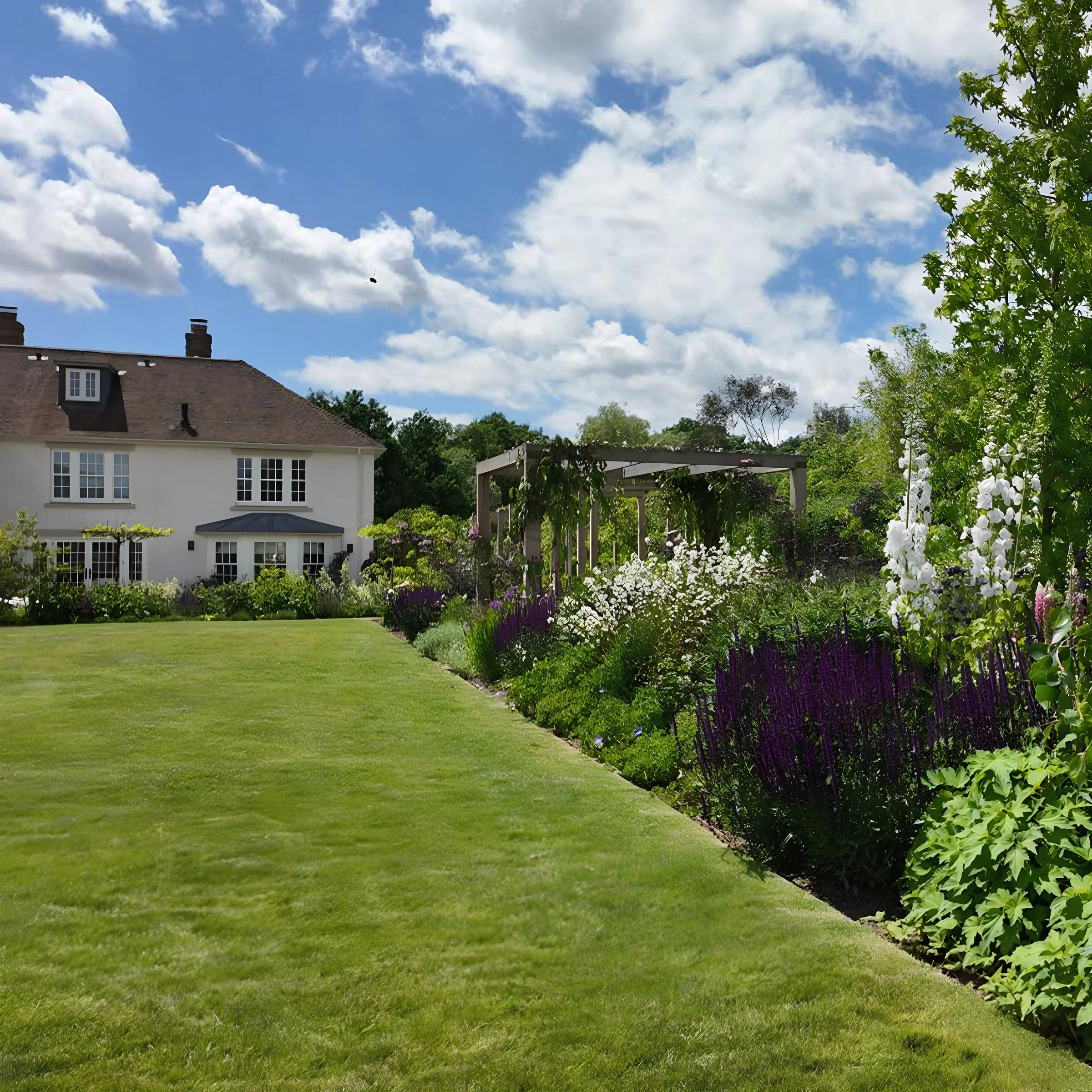
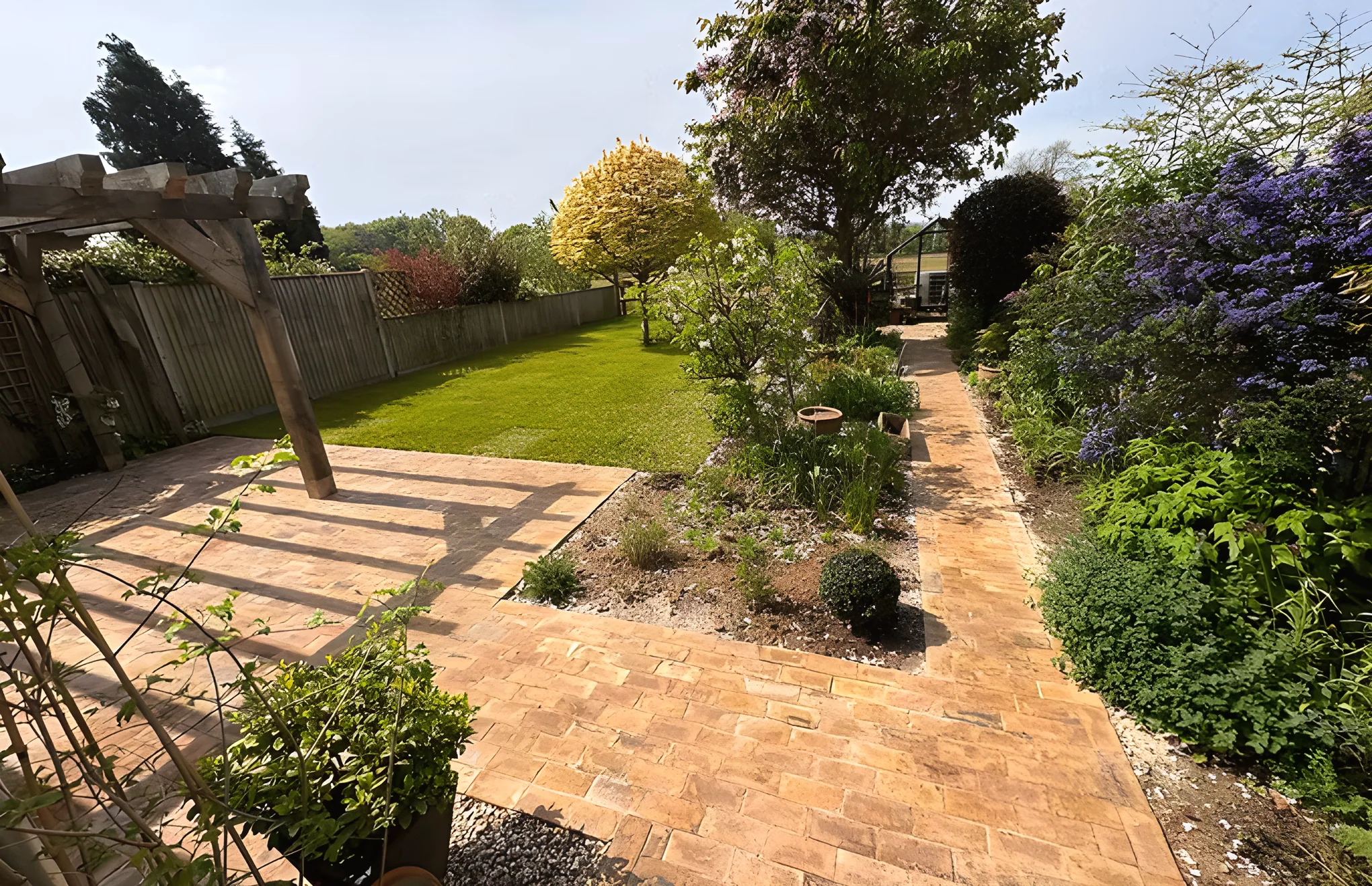
A broad estate lawn edged with deep planted borders
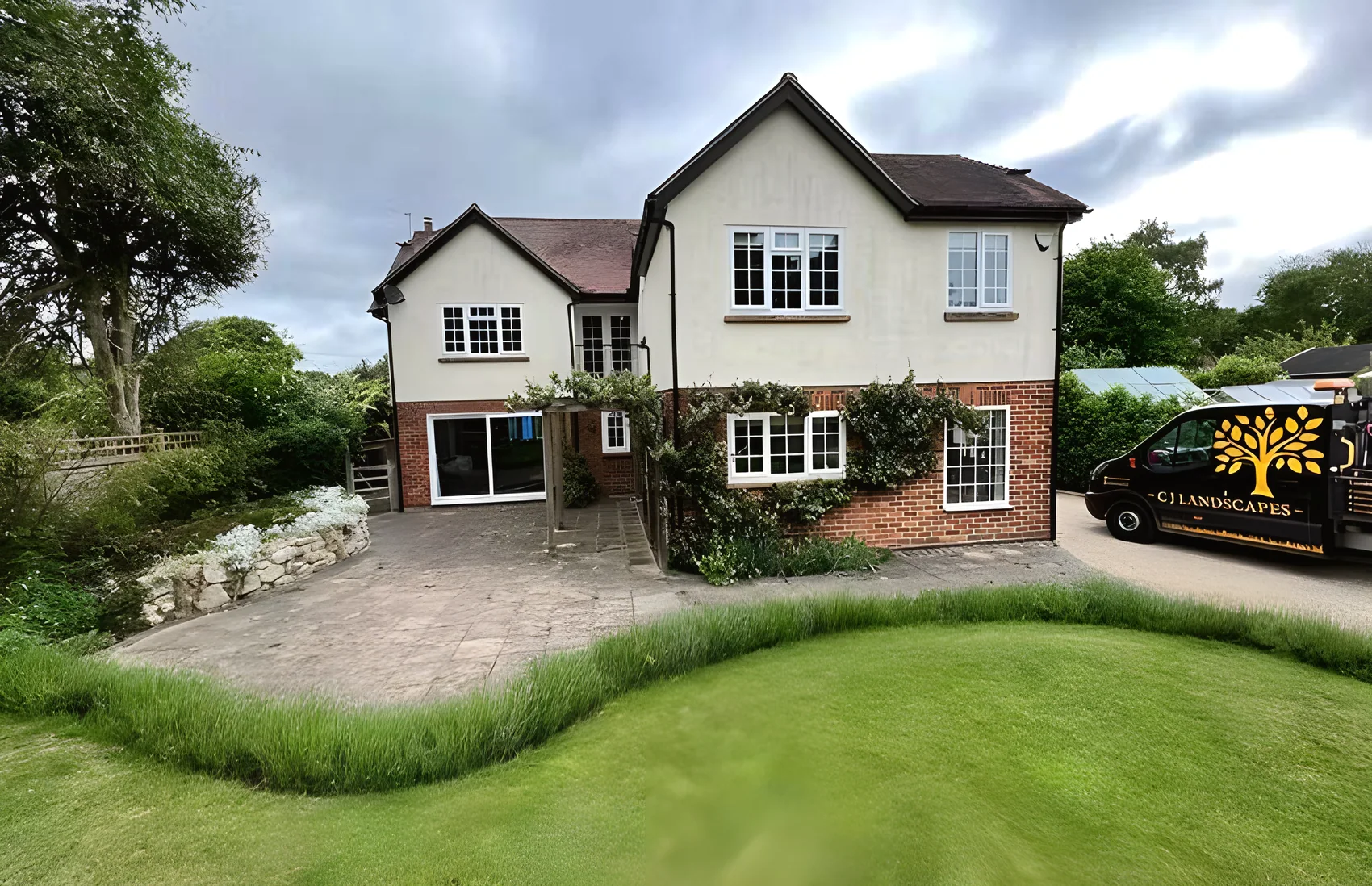
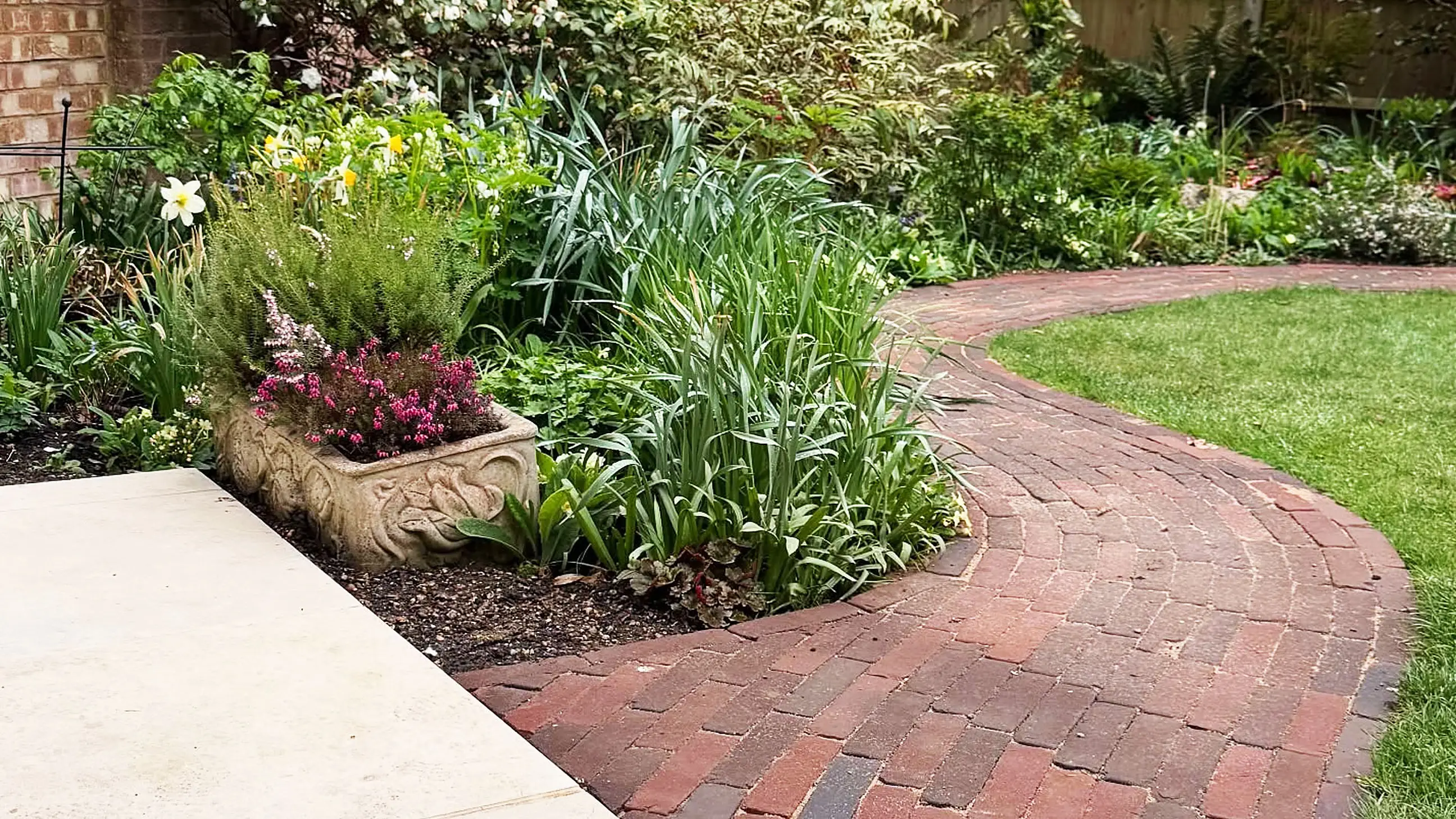
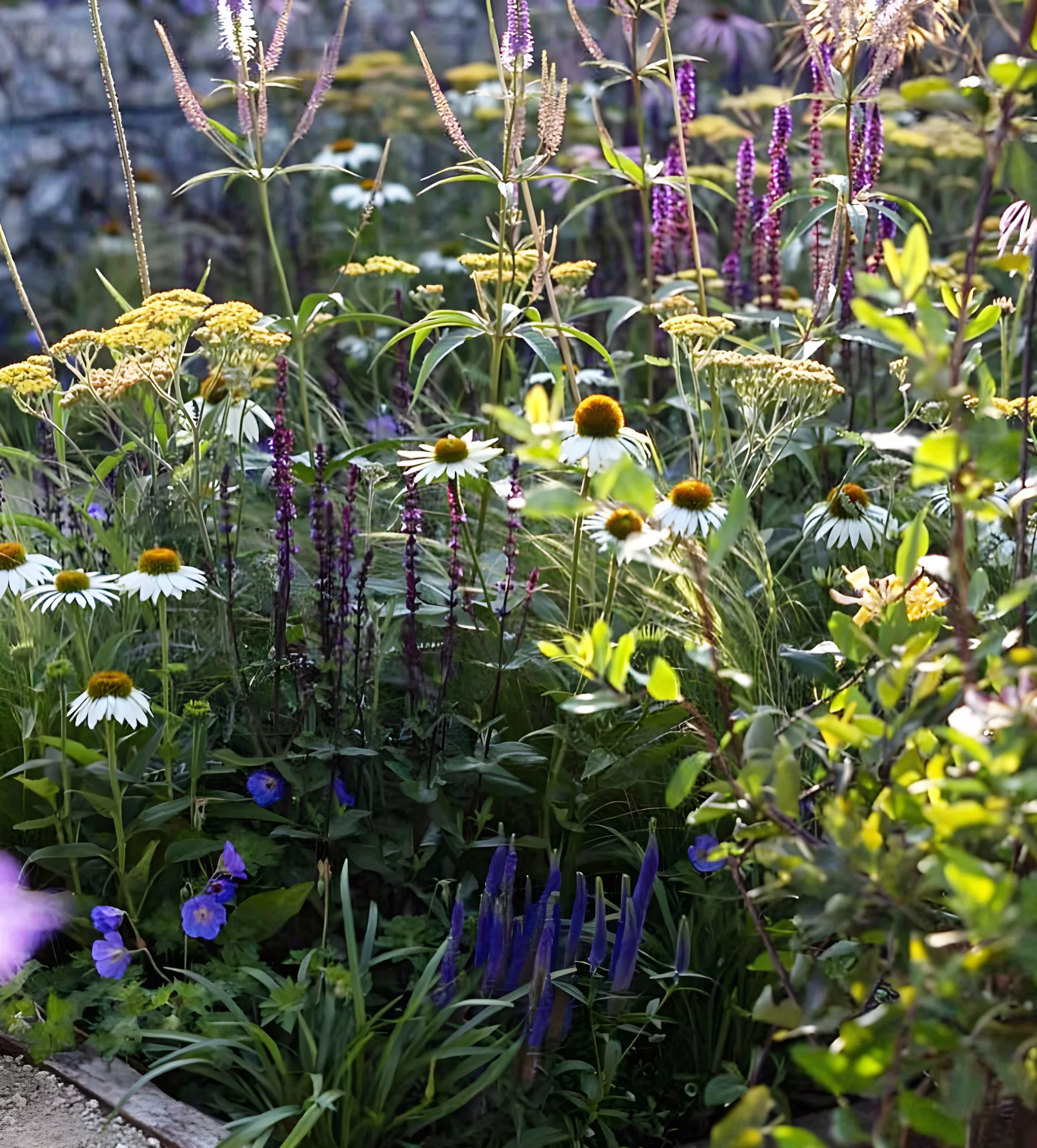
Echinacea and mixed perennials in a naturalistic border
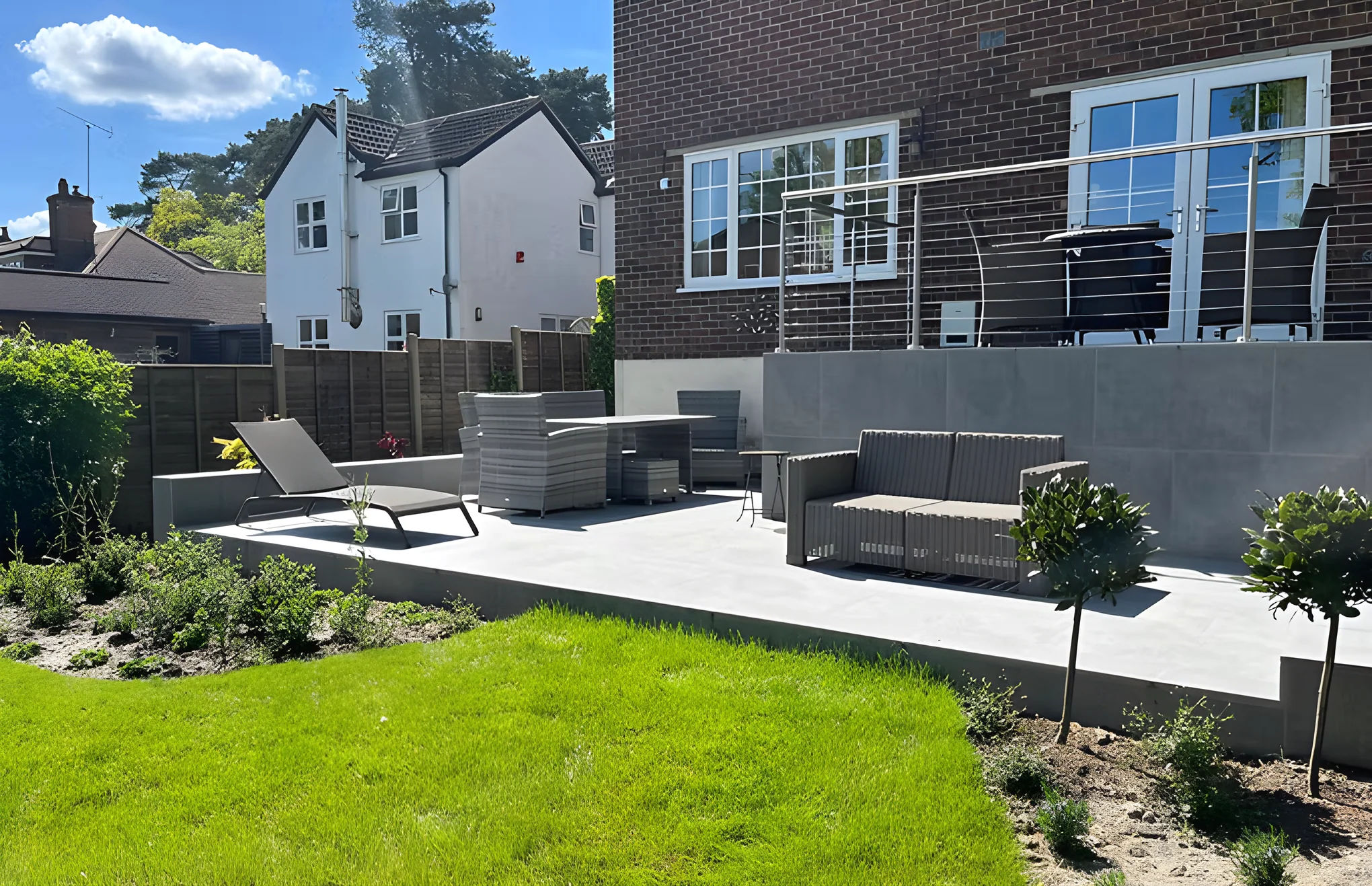
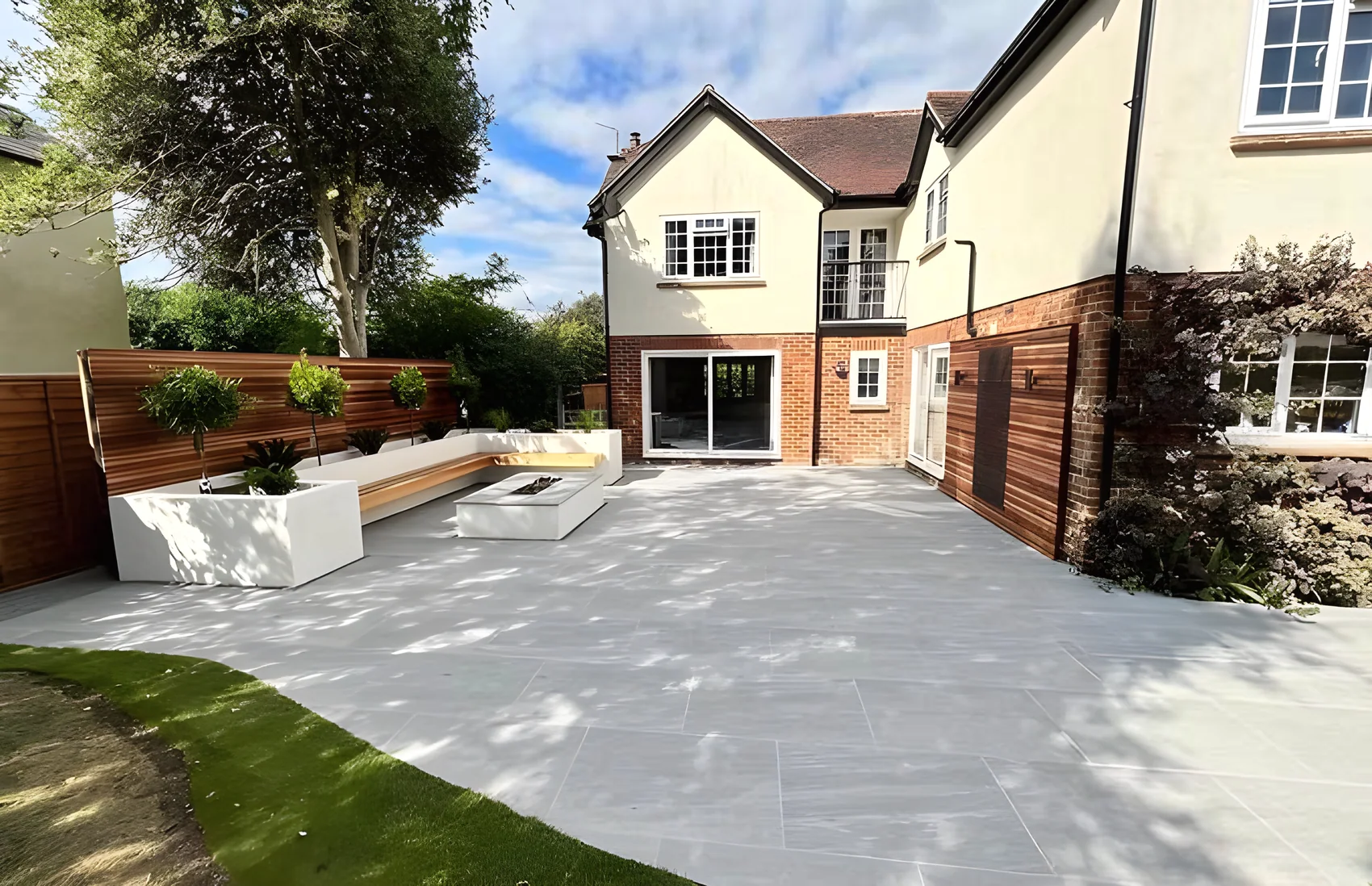
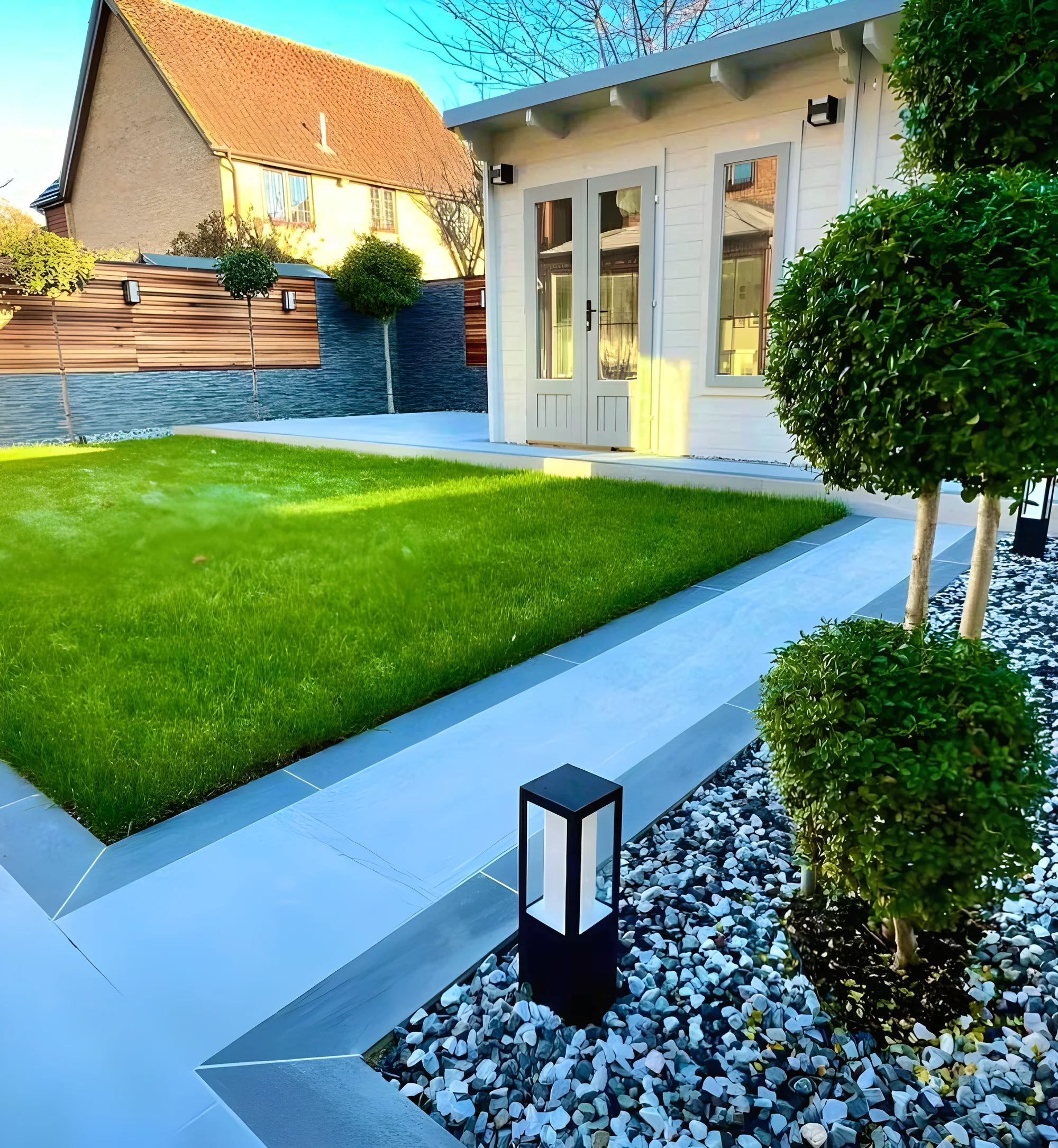
A gravel garden with stone paving and drought tolerant planting
A striped lawn running up to the back of a house

The year

A Written Calendar, Built Around What the Garden Is Doing.

Everything we do on a property is set out month by month before we start. Nothing important waits for somebody to notice it.

Grass is the clearest example. The first cut goes on when the soil has warmed and growth has started, not on a date, and the height comes down over several cuts rather than one scalping. Feeds change with the season, nitrogen led in spring to push growth, potash led in autumn for hardiness through the wet months.

Hedges are timed around the birds. We look over a hedge before a machine goes near it and leave the main cut until nesting is finished, which is why the tidiest hedge in June is not always the right answer.

  • Mowing heights adjusted by season, not left on one setting
  • Scarify and hollow tine in early autumn, then top dress
  • Leaf clearance planned around when your trees actually drop
  • Herbaceous cut back in late winter so seed heads stand through the cold
  • Bulb areas left uncut until the foliage has died back
A broad estate lawn edged with deep planted borders

Who comes

The Same Team on Site, With the Machine the Job Needs.

A dedicated team looks after your grounds, so you are not explaining the garden again every month. They know which gate the trailer fits through, where the stopcock is, and which border the dog gets into.

Machinery matters more than people expect. A cylinder mower gives the fine striped finish most of these lawns were laid for, a rotary deck copes with longer grass and rougher ground, and a heavy ride on run along the same line every week puts ruts and compaction into a lawn you paid to have levelled.

We clean machinery down between properties. Box blight, honey fungus and weed seed all travel on boots, blades and tyres, and a maintenance round is the easiest way to move them. Arisings are chipped and composted on site where there is room, and taken away where there is not.

  • Blades sharpened and set, not run until they tear the grass
  • Battery kit used near the house for early starts
  • Cut direction changed to stop ruts forming in the turf
  • Heavy machines kept off the lawn when the ground is wet
  • Boots, blades and tyres cleaned down between properties
Echinacea and mixed perennials in a naturalistic border

Horticulture

Pruning on the Right Day, Not Whenever We Happen to Be There.

A planted border is the part of a garden that goes backwards fastest when it is only tidied. Most of the work is pruning, and most of pruning is timing.

Wisteria takes two cuts a year, shortened in summer and taken back to spurs in winter, which is the difference between a wall of leaf and a wall of flower. Late flowering perennials get the Chelsea chop in late May so they stand up instead of flopping in August. Box is clipped in dry settled weather and fed afterwards, never in full sun. Hedge faces are cut with a slight batter, wider at the base than the top, so the bottom keeps enough light to stay furnished.

Mulch goes on at around fifty to seventy five millimetres and is kept off crowns and stems, because mulch piled against a woody stem will rot it. Young trees get formative pruning while the wounds are still small. Where a mature tree needs climbing work we tell you rather than take it on.

  • Pleached and trained forms kept to their frame
  • Roses pruned to an open middle, prunings taken off site
  • Self seeders edited rather than hoed out wholesale
  • Tired plants replaced from the original planting plan
A gravel garden with stone paving and drought tolerant planting

The ground

Drains, Joints and Edges, Checked Before They Become a Job.

The expensive parts of a large garden are the ones nobody looks at. Channel drains, gullies, soakaways and the slot drain along the back of the terrace all silt up, and they do it quietly until a wet week puts water against the house.

We clear them before autumn leaf fall and again after it. Porcelain and sandstone are washed with a flat surface cleaner and a soft brush, not a turbo nozzle, because a pencil jet pits sandstone and blows the jointing compound out of every joint it crosses. Failed joints are cut out and repointed while the problem is one joint wide.

Gravel is raked back to its edges and treated before weeds root into the sub base. Irrigation is drained down and isolated before the first hard frost, then recommissioned in spring zone by zone, checking coverage rather than just checking it comes on.

  • Gullies and channel drains cleared before and after leaf fall
  • Paving washed at a pressure that leaves the joints alone
  • Lawn edges cut back to the line they were laid to
  • Irrigation drained down for winter and tested in spring
Carl and his team built us a fantastic patio and new path to our greenhouse this summer. They were the only landscaping company we could find who supported our attempts to use minimal concrete in the build.

Cammie Czuchnicki · Google review

How it works

From the First Walk Round, to the Same Team Every Visit.

  1. 01

    We Walk the Whole Property

    We walk the grounds with you, note what matters to you and read what the ground and the planting are telling us. Nothing gets costed off a photograph.

  2. 02

    You Get the Year in Writing

    You get the year written down. What we do, which month we do it in, how long we are on site and which jobs are seasonal.

  3. 03

    One Team Takes It On

    A dedicated team takes the property on and keeps its own site notes. They arrive knowing what is due, and you have one point of contact for all of it.

  4. 04

    We Review It Through the Year

    We walk it with you through the year and change the calendar where the garden has moved on. A border that has filled in needs different work from one planted last spring.

Our work

Gardens and Grounds We Have Built

Good to know

Questions We Are Asked Most

How Is This Different From Your Garden Maintenance Service?

Garden maintenance is a monthly programme for a well designed private garden. Grounds maintenance is for a larger property where the work will not fit into one visit: big lawns, long hedge runs, drives, drainage and the seasonal programme behind all of it. If you are not sure which one you want, tell us about the plot and we will say.

What Does It Cost?

Garden maintenance plans start from £160 per month on a twelve month agreement, with a minimum four hour visit each month. Grounds maintenance is priced on the property itself, because the hours come out of the calendar and the calendar comes out of what is actually there. We walk the grounds, cost the year and give you one figure.

How Often Would You Come?

Most properties settle into a weekly or fortnightly visit through the growing season and a longer gap through winter, with whole weeks blocked out for the bigger seasonal jobs. The calendar is agreed before we start, and if we want to change it we tell you why.

Will You Look After a Garden Somebody Else Built?

Yes. We start with a proper look at what is there: how the lawn was built up, where the irrigation and the drainage run, what the planting was meant to become. Some of it will be worth protecting and some will need putting right, and we tell you which is which.

Our Lawn Holds Water Every Winter. Can Maintenance Fix That?

Not on its own. Moss and standing water are usually a symptom of compaction or a pan under the surface, and mowing more carefully will not move water through ground that will not take it. Scarifying and aeration help where the problem is shallow. Where the compaction is deeper we use deep soil aeration, which decompacts the ground without digging it up and holds the fissures open with enriched biochar.

Do You Do Tree Work?

We keep the planting in order, which includes formative pruning on young trees and keeping growth off paths, buildings and lights. Climbing work on mature trees is a separate trade, so we tell you when a tree needs it rather than take it on.

Start your garden

Tell Us About the Grounds, and We Will Walk Them With You.

Call 01276 582095 or send us a note about the property. We will come out, look at the ground, the planting and the hard landscaping, and come back with a calendar for the year.

  1. 01
    We Call You BackWithin one working day, to talk the garden through.
  2. 02
    The First VisitA walk round the garden to take in the levels, the access and where the water sits.
  3. 03
    A Written ScopeA specification and a programme, with samples to see in your own light.
Prefer to talk?01276 582095info@cjlandscapesltd.co.uk
1 Webbs Mews, High Street
Hartley Wintney, Hook RG27 8NZ
What Would You Like Help With?

Choose as many as you like.

Tell Us About the Project

Roughly is fine. It helps us bring the right people to the first visit.

Your Details
Photographs Optional, up to five

Thank You

Your enquiry has come through and we will call you back within one working day.

Step 1 of 3

We only use your details to reply to this enquiry.