The houses
The Houses Here and the Plots They Sit In
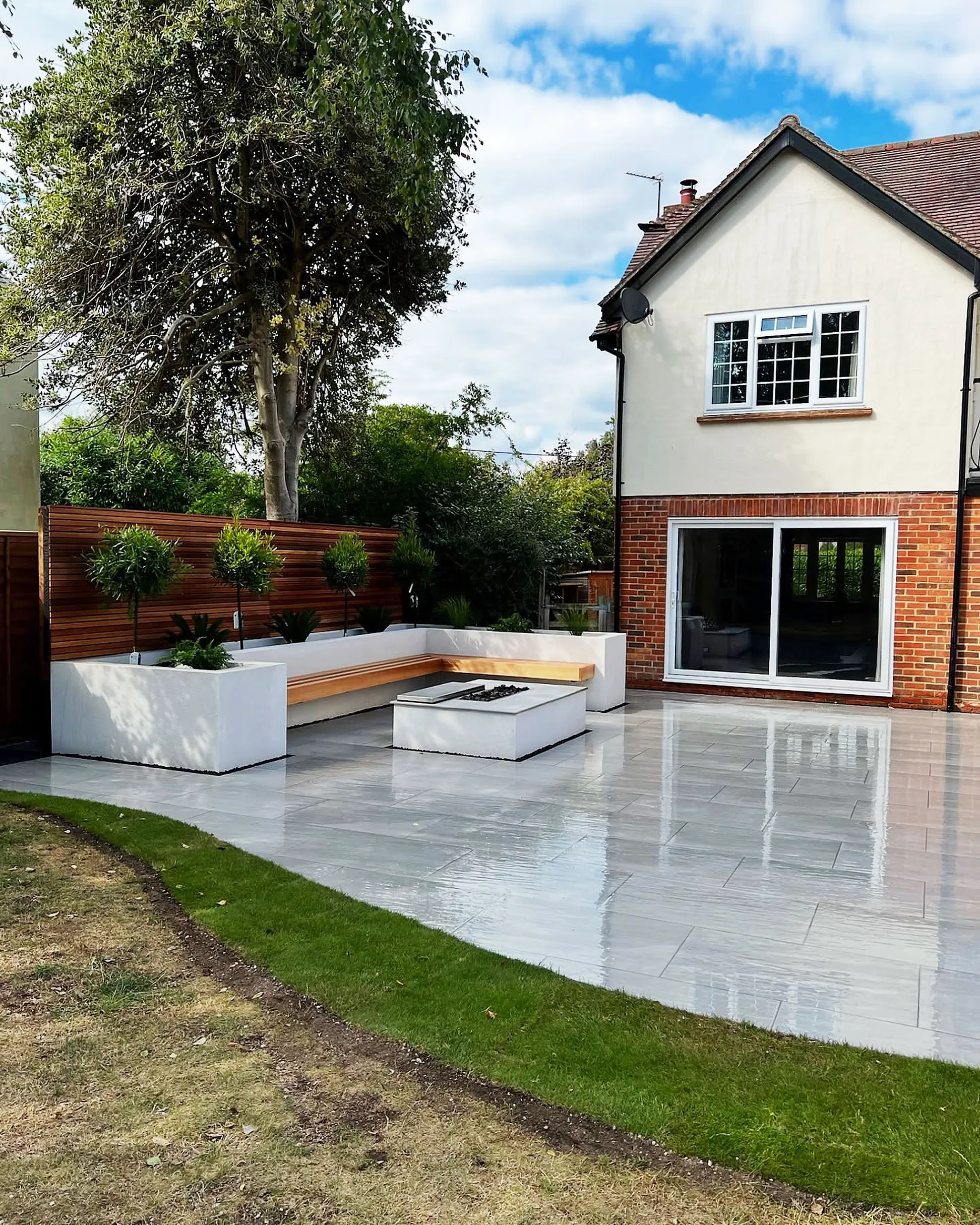
The gardens that bring us to Windlesham are mostly behind gates. The county landscape assessment describes this character area as substantial houses set in generous plots and large houses enclosed by trees and evergreen shrubs, with settlement mostly contained or screened entirely by surrounding woodland and boundary vegetation. In practice that means long gravel or block drives, turning circles, electric gates, mature pine, oak and cedar, old specimen trees, ponds, and rhododendron and laurel screens that have closed over the top.
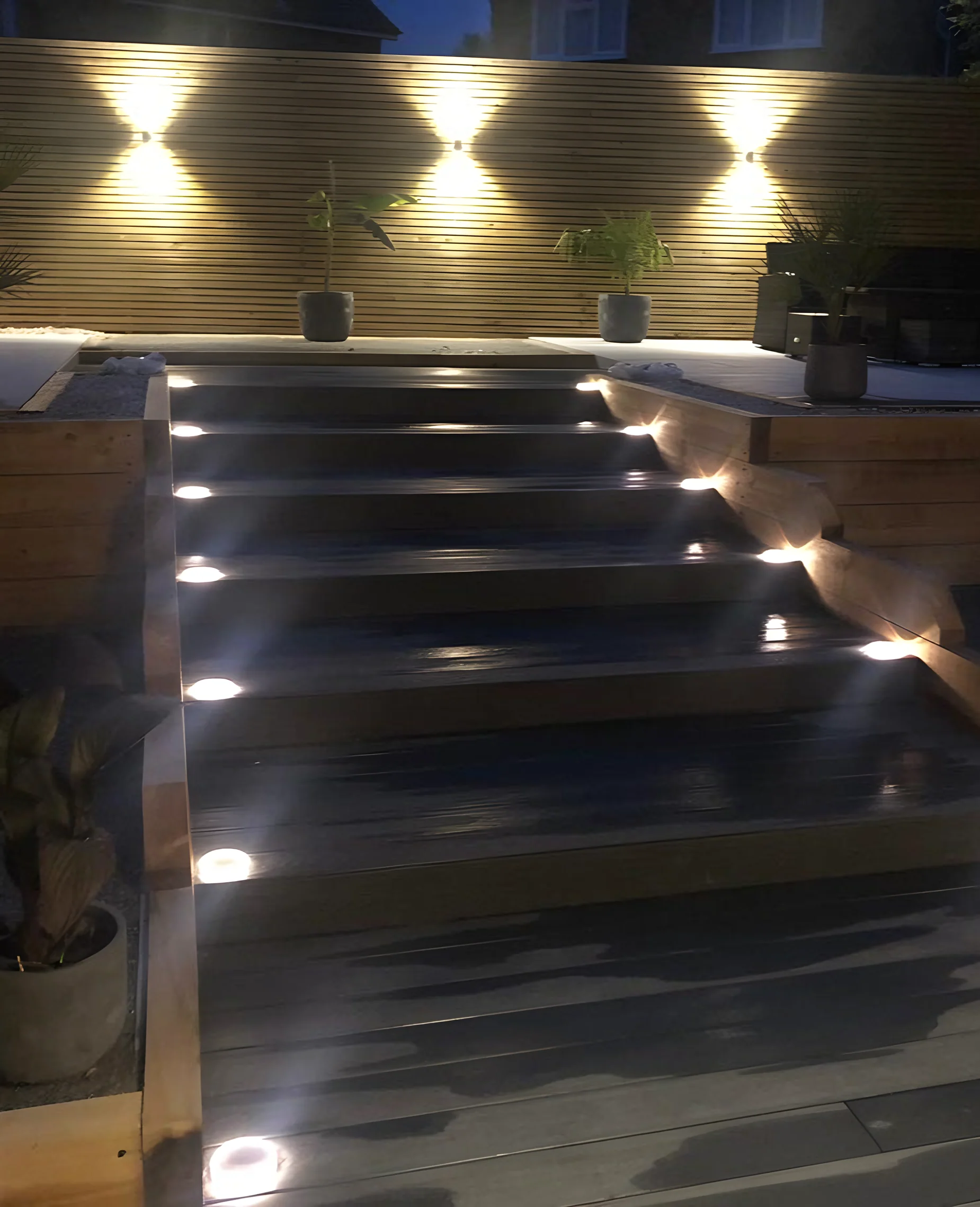
Closer in, the plots change completely. The villas and cottage pairs on Updown Hill sit on a real hill, so their gardens step and need terracing, steps and retaining built into loose sand, and the clipped hedges along their frontages are treated as part of the conservation area character rather than as a boundary you can swap. The cottages and old farmsteads along Church Road, Kennel Lane, Pound Lane and Thorndown Lane sit at angles to the lane on irregular plots that still follow old field boundaries, with heavy shade from substantial protected tree groups and a damp hollow next to dry sand in the same garden.
Then there are the estate roads that fill in between, Snows Ride, Windmill Field and Heathpark Drive, which collectively came close to doubling the size of the village when they were built, and the newer infill and replacement houses around Updown Hill, Chertsey Road and Woodlands Lane. Different as they look, those two share one problem: a thin skim of imported topsoil over sand that was compacted by plant during construction, so roots hit a pan at spade depth and the lawn never thrives. On those gardens the work starts underground, not with the paving.
- Late Victorian through interwar originals, many heavily remodelled, plus later replacement houses
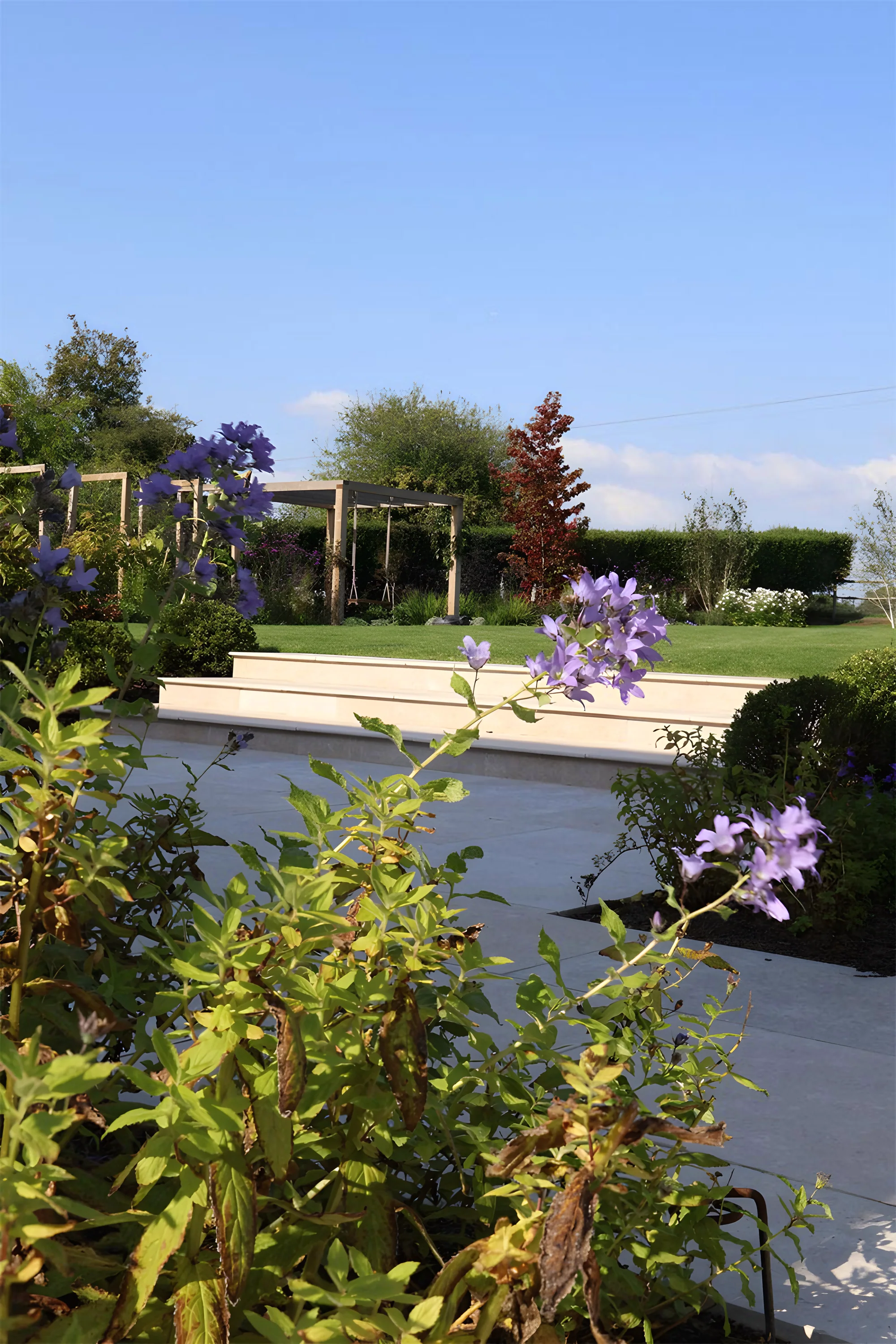
Large Detached Houses and Country Houses in Generous Wooded Grounds, Behind GatesHatton Hill and Westwood Road towards the Sunningdale boundary, Woodlands Lane, the eastern end of Church Road, Sunninghill Road, and the scattered large houses in the wooded ground north of the village towards Allerton HillUndulating wooded ground on the Windlesham Formation, rising towards Allerton Hill, with long drives, turning circles, specimen trees, ponds and grown out rhododendron and laurel shelter belts. The lawns carry decades of compaction from ride on mowers, horse traffic, scaffolding and construction plant, and the soil under the canopy is dry and full of root. Owners here want the screening opened up carefully, the lawns breathing again, and one planned calendar that keeps the whole property consistent.
- Victorian and Edwardian
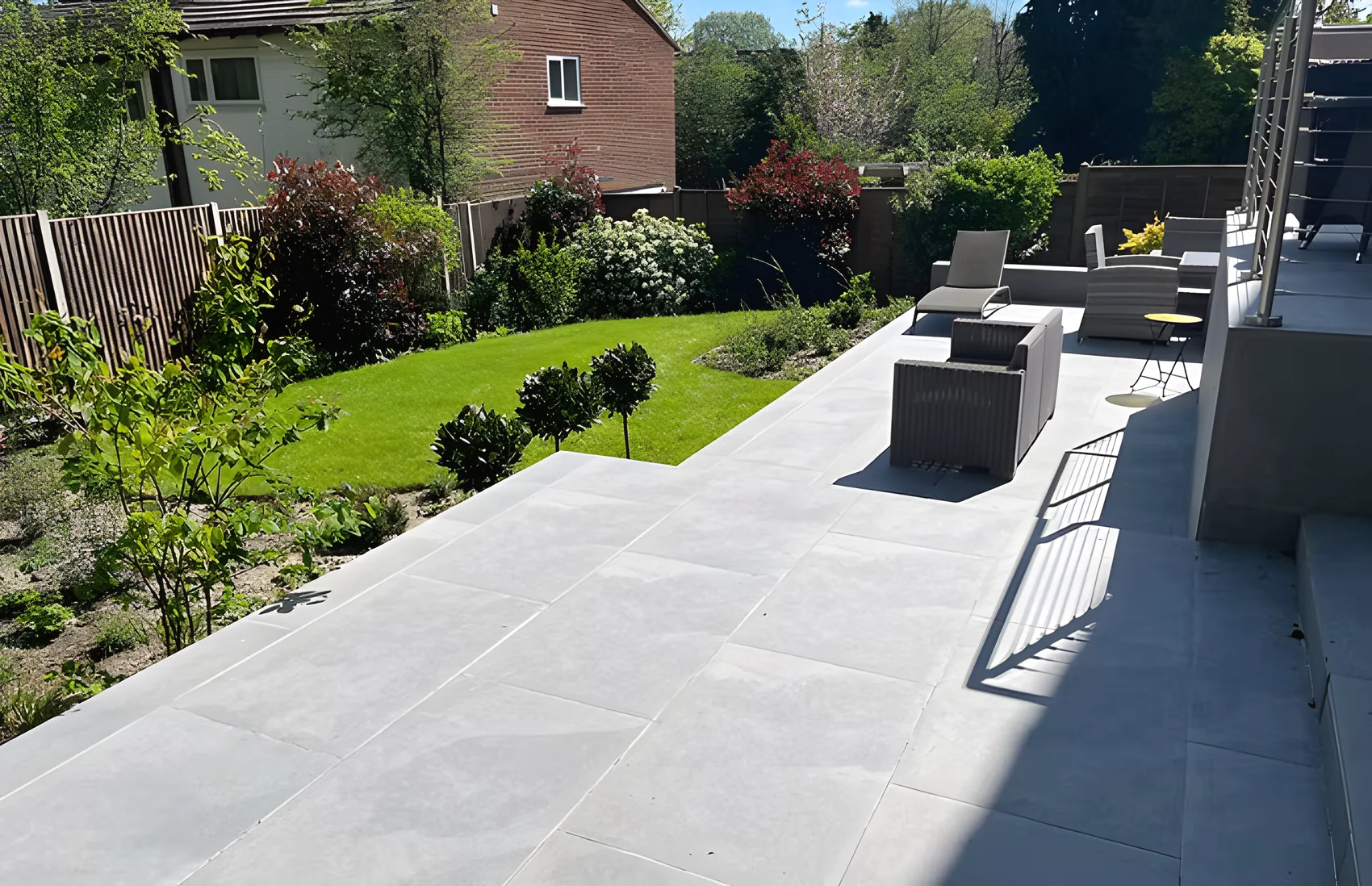
Double Fronted Detached Villas and Semi Detached Cottage PairsUpdown Hill, including the run of villas and the three cottage pairs higher up the hill, plus the frontage properties on Chertsey Road and the cluster along Church Road north of New RoadThe appraisal calls the Updown Hill villas the most important group in the conservation area: detached houses on generous, wide plots with hedges along the road frontage, which can be renewed but not simply taken out. The cottage pairs higher up have long but narrow rear gardens, and the hill is steep enough that most plots need terracing, steps and retaining in sand that will not hold a shallow foundation. Access is the recurring headache, because on most of the cottages the only route in is through the house or a narrow side alley past a garage.
- 16th to 18th century, with later additions
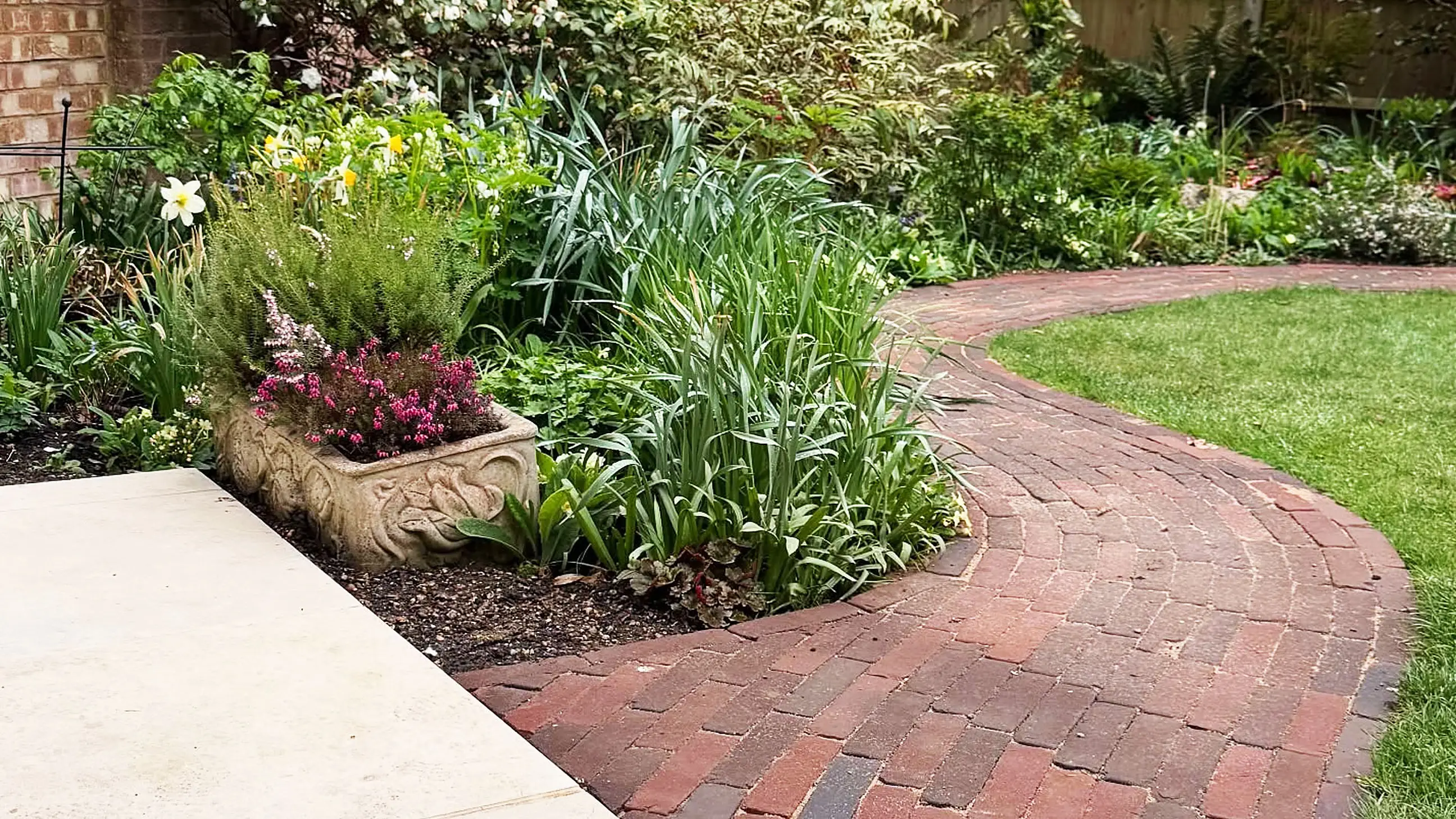
Timber Framed and Brick Cottages, Farmhouses and Small Former FarmsteadsKennel Lane, Pound Lane, Church Road either side of New Road, Thorndown Lane and the lanes running out towards Rye Grove and Highams LaneIrregular, organically shaped plots that follow old field boundaries rather than a grid, with houses set at angles to the lane, often gable end on, screened by hedges, old brick boundary walls and the bends in the road itself. Rear ground is generous but awkward in shape, with level changes, former yards and outbuildings, and free draining sand in one corner with a damp hollow in another. Substantial mature tree groups enclose most of these gardens, some carrying individual tree preservation orders, which puts real constraints on where you can excavate, so it is worth checking the order schedule before any hard landscaping is designed in.
- Late 1960s to late 1980s
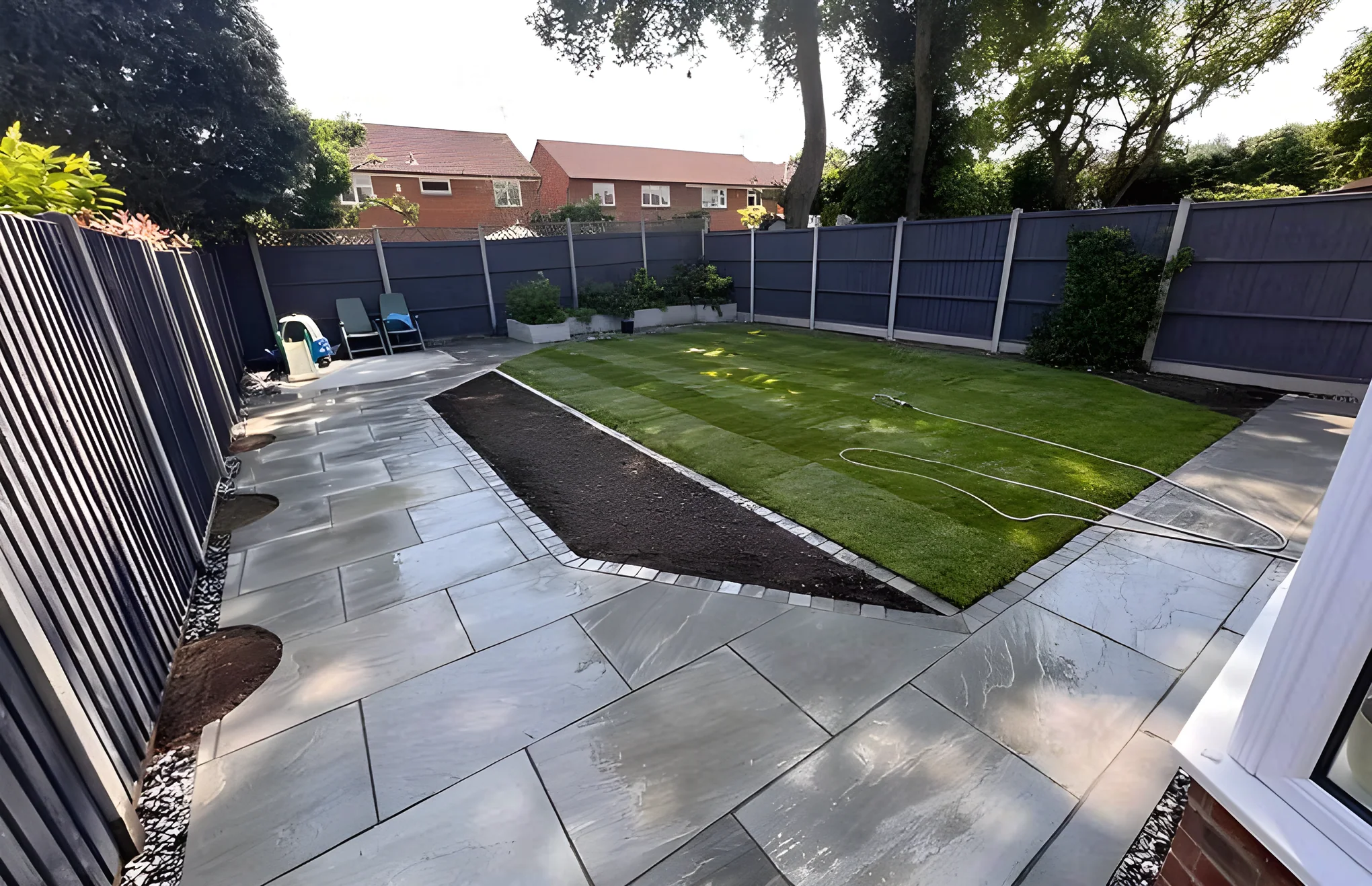
Estate Houses, Detached and Semi Detached, on Winding Roads and Cul De SacsSnows Ride and Bosman Drive, Heathpark Drive, Windmill Field, and the smaller schemes off Kings Lane and Cooper RoadLayouts that avoid long straight roads, using curves, cul de sacs and houses set at angles, which leaves a lot of odd triangular and pie shaped rear gardens where nothing sits square to the house. Heathpark Drive was built on a woodland site, so leftover mature trees sit inside small gardens and dominate them, while Snows Ride and Windmill Field went up on green field sites with open plan frontages and no boundary at the front. Under the turf there is usually thin imported topsoil over a construction pan, and side access is a single gate beside a garage, which decides the size of machine that can get in.